
Happy New Year 2026
From Sami, to all lovers ❤️ and dreamers , may this year bring you love, joy, and beautiful moments together.
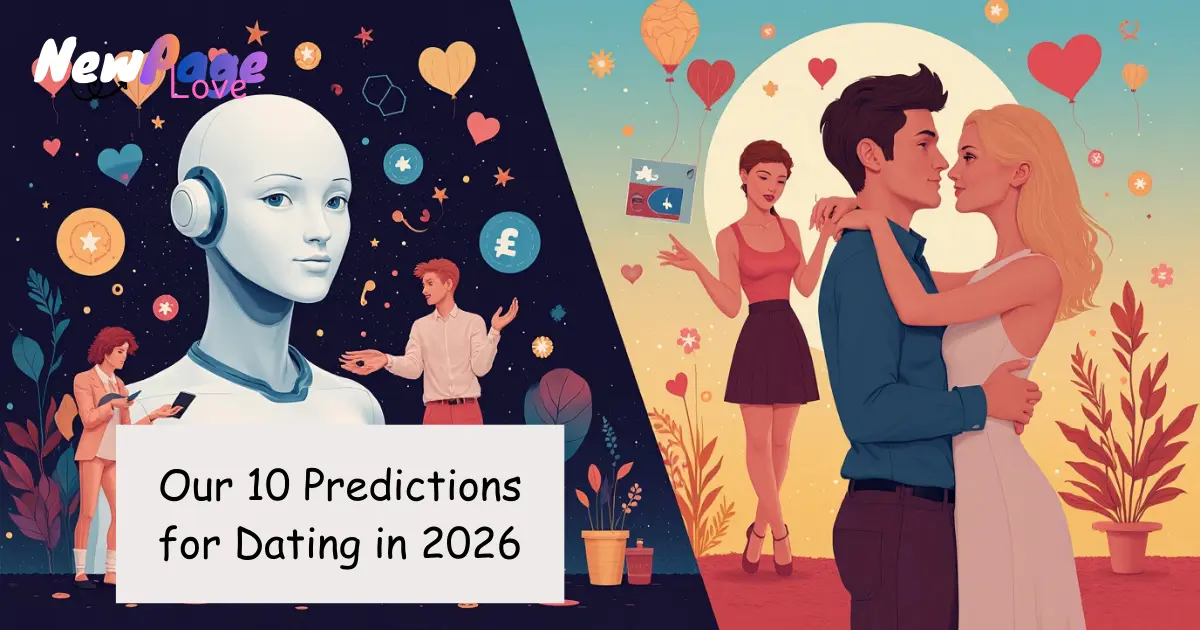
Our dating predictions for 2026 forecast a year of extremes: AI will become both a matchmaking tool and a companion, while a “slow love” movement prioritizes depth over speed. Key trends include “single positivity,” the rise of offline status, budget-conscious creativity, and a new focus on digital wellness and “relationship-by-design” for lasting connections.
With 2026 on the horizon, we find ourselves at a fascinating crossroads in love and connection. After years of swiping fatigue and digital overload, we’re witnessing a collective deep breath—a moment where technology’s promise is met with a powerful human craving for simplicity and substance.
Before we explore all ten predictions, you might want to check out some of our foundational guides that tackle the realities of modern dating:
- The Complete Guide to Dating as a Single Parent
- Best Dating Apps for Single Parents: 2026 Reviews
- How to Talk to Your Kids About Dating
Now, let’s dive into the ten trends that will define your love life in 2026.
The AI Inflection Point: From Tool to Companion
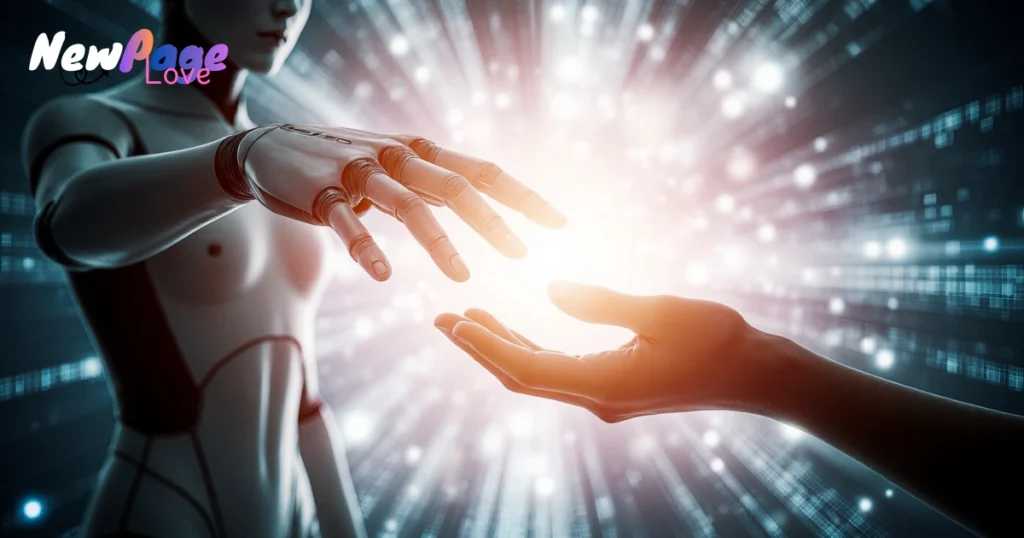
You truly can’t spell dating without ‘AI’ anymore. But 2026 will mark the inflection point where AI transitions from a helpful feature to an emotional entity. Apps like Hinge and Tinder are already incorporating AI to craft more effective openers and suggest matches, but the frontier lies in emotional AI companionship. We’ve seen the early tremors: users forming attachments to chatbot personalities, preferring a predictable, affirming digital presence over the messy unpredictability of human courtship. In 2026, for a growing segment, dating a chatbot won’t be a novelty—it will be a deliberate lifestyle choice, offering control and companionship without the risk of heartbreak. The genie isn’t just out of the bottle; it’s offering relationship advice.
The Rise of “Single Positivity” and Conscious Uncoupling from Dating Apps
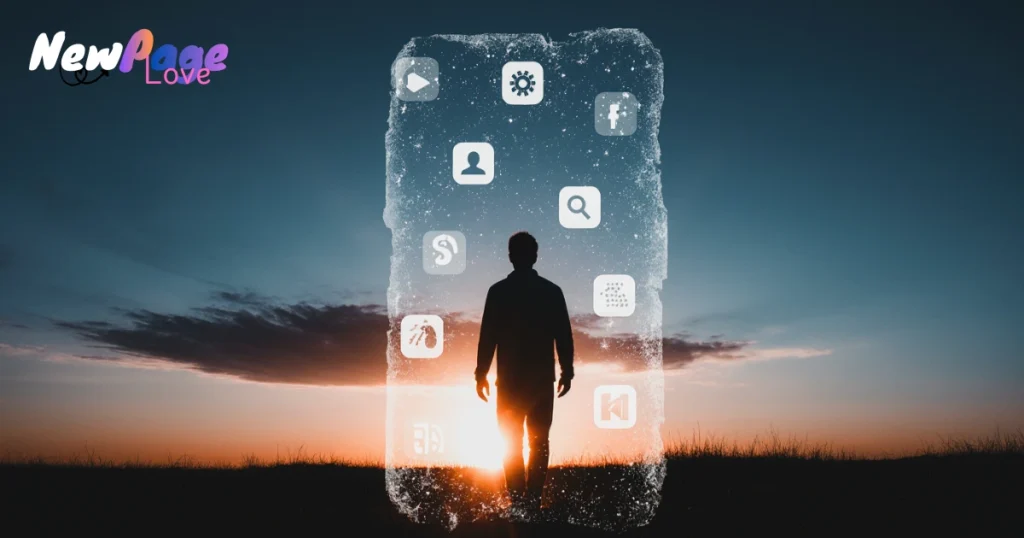
Dating burnout is a real phenomenon, affecting nearly 80% of app users, who often feel exhausted. The response in 2026? A powerful, intentional movement we call “Single Positivity.” This isn’t about giving up; it’s about decentering romantic partnership as the ultimate life goal. People, especially women, are consciously redirecting energy toward self-fulfillment, deep friendships, hobbies, and personal growth. If dating “doesn’t spark joy,” the empowered choice is to simply stop. This trend validates that a rich, happy, and complete life is achievable on your own terms. Singleness is being re-framed not as a lack, but as a valid and celebrated state of being.
Offline is the New Luxury
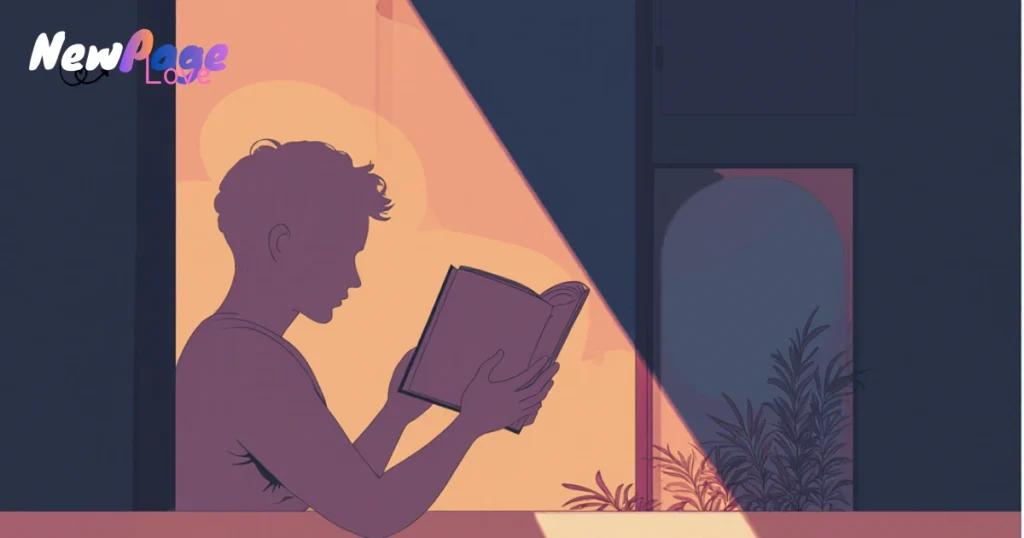
In direct opposition to the AI surge, a powerful counter-culture will elevate offline living to a status symbol. As digital life becomes the default, being intentionally disconnected becomes intriguing and attractive. Think “Luddite Clubs,” phone-free dinner parties, and analog-first meetups. Not having an Instagram or a dating app profile will signal confidence, mystery, and depth. This trend, a form of digital minimalism in dating, suggests that the most attractive thing you can offer in 2026 is your full, undivided attention.
The Creativity of Cheap Dates
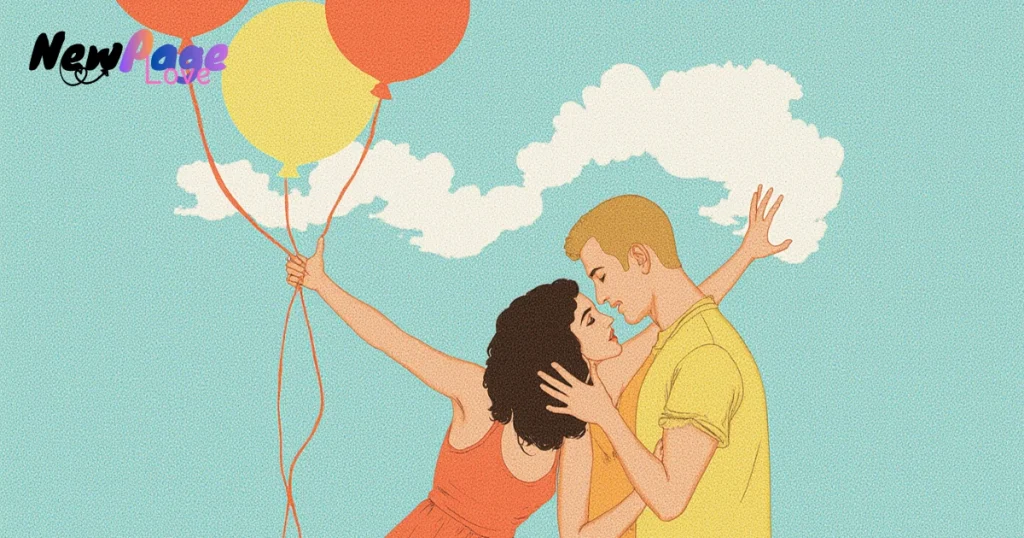
Economic reality is the mother of romantic invention. With the cost of living rising, the $100 dinner-and-drinks date is becoming unsustainable. 2026 will see a boom in creative, low-cost connection. Expect a renaissance of house parties, picnic hikes, game nights, and home-cooked meal challenges. This financial pressure is stripping away pretense and forcing a return to dating’s fundamentals: conversation, shared experience, and creativity. For a wealth of inspiration that aligns with this trend, explore our guide to Single Parent Date Ideas.
The Intensifying “Looks” Economy (And How to Opt Out)
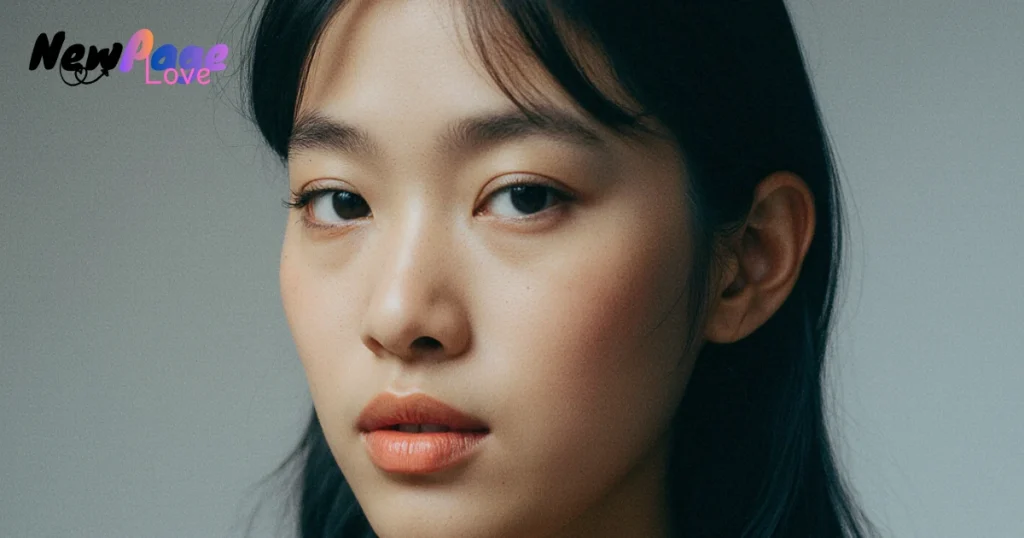
This is the uncomfortable but undeniable prediction. The convergence of accessible cosmetic tech (like GLP-1 medications), hyper-analytic social media trends (“looksmaxxing”), and AI-enhanced profile curation is creating a looks-based arms race on dating apps. First impressions will be more visually scrutinized than ever. While this heightens superficial pressures, it also makes your non-visual assets—your wit in your bio, your values in your prompts, your emotional maturity—your most powerful differentiators. The best strategy is to craft a profile that tells a compelling story beyond your photos.
Slow Dating Replaces Endless Swiping
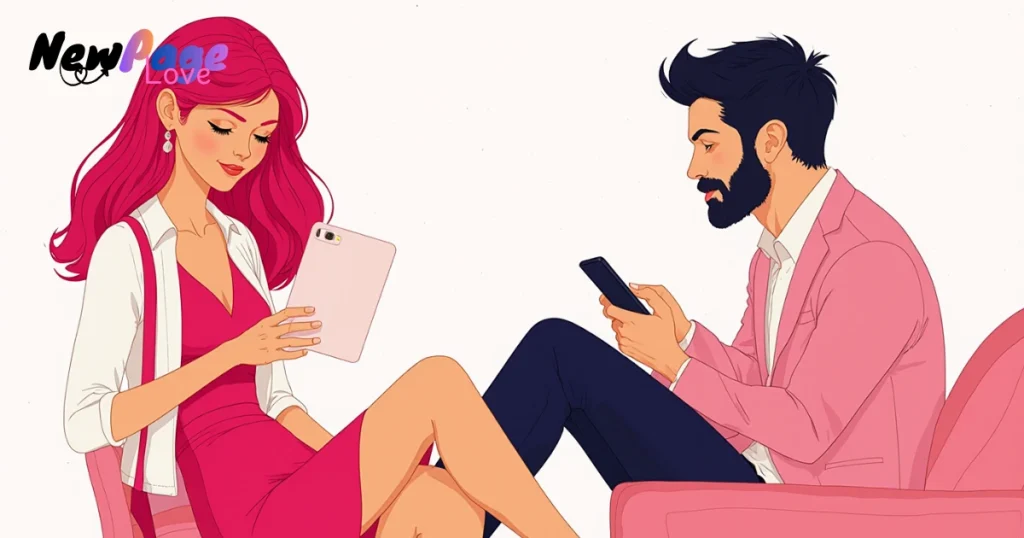
The era of disposability is over. Slow dating is moving from a niche preference to the mainstream ethos. This means apps and user behavior favoring quality over quantity: fewer, more curated matches, detailed prompts, early voice notes or short video profiles to gauge chemistry, and an intentional pace that allows connection to build. For those seeking long-term relationships, this is excellent news, as it naturally filters for people with similar intentionality.
The “Parent-Partner” Filter Becomes Non-Negotiable
For single parents, a major trend is crystallizing. Our potential partners are vetted through one critical lens: Are they “parent-partner” material? This assesses emotional stability, respect for family time, and the ability to be a supportive, low-drama addition to an existing family unit. In 2026, demonstrating this understanding isn’t a bonus; it’s the baseline for anyone serious about dating a single mom or dad. For a deeper dive on setting these boundaries, our guide on Navigating a New Relationship as a Single Parent is essential.
Digital Wellness Dates
A new category of connection will emerge: the digital wellness date. These are shared activities explicitly designed to detox from technology and be present together. Think about agreements to leave phones in the car during a hike, attending a silent meditation retreat for couples, or taking a pottery class where your hands are too dirty to touch a screen. This trend directly combats distraction and fosters a deeper, more attentive bond.
Relationship Audits and “Designer Partnerships.”
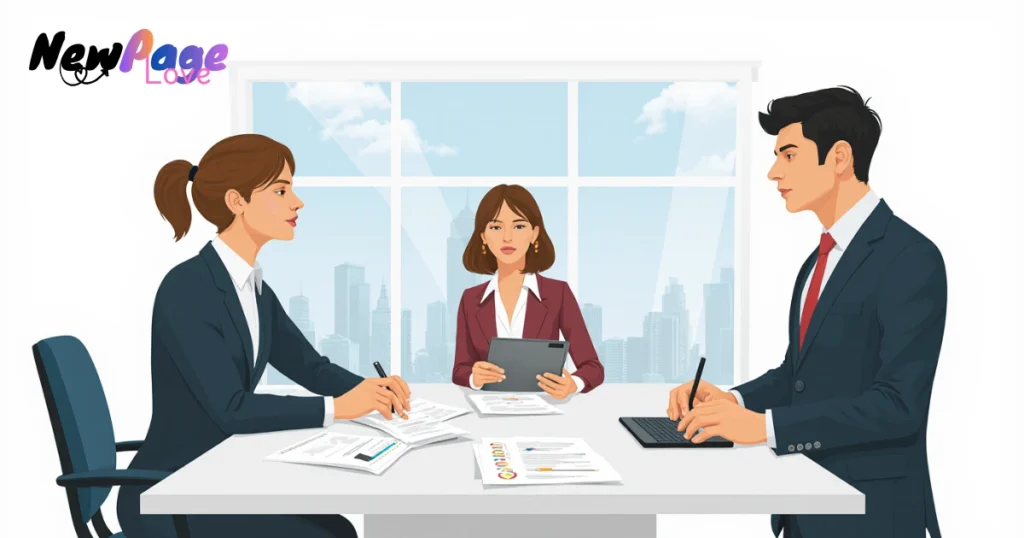
Influenced by concepts from relationship coaching and frameworks like Esther Perel’s work, couples will increasingly conduct informal “relationship audits.” These are intentional check-ins to assess communication, intimacy, shared goals, and satisfaction—not just when there’s trouble, but as routine maintenance. This leads to the concept of the “designer partnership,” where couples consciously design the terms, rhythms, and expectations of their relationship, moving away from default societal scripts and toward a custom-built union that works uniquely for them.
The Nostalgia Wave: A Return to “Third Places.”
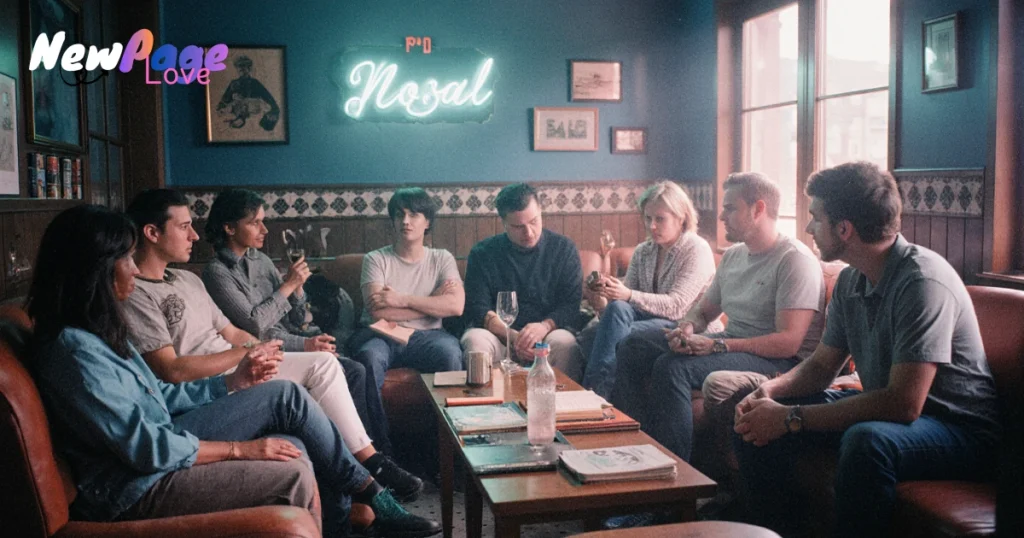
Finally, expect a resurgence of romance in “third places”—social environments that are neither home nor work. Think bookshop cafes, community gardens, board game lounges, and local pub trivia nights. As dating app fatigue sets in, people will return to the old-fashioned way of meeting through shared interests and communal activity. These low-pressure, activity-based environments facilitate a more natural, organic connection than a high-stakes, one-on-one app date ever could.
Your Love, Your Rules
The dating trends for 2026 paint a picture of a culture in correction. We’re using technology not just to find love faster, but to ask deeper questions about what love and connection should even feel like. The path forward isn’t about rejecting tech or romance, but about consciously choosing how both fit into your life.
