
The best hair care tips for healthy, strong, shiny hair include washing based on your scalp’s needs (not a fixed schedule), conditioning after every wash, using a heat protectant before styling, trimming every 8–12 weeks, eating a protein- and omega-3-rich diet, and being gentle with wet hair. Consistency matters more than any single product.
Our Read 10 Hair Care Mistakes Damaging Your Hair (And How to Fix Them)
1. Understand Your Hair Type First

Every effective hair care routine starts with knowing what you’re working with. Hair type isn’t just “curly” or “straight” — it also involves porosity (how well your hair absorbs and holds moisture), density, and scalp oil production. Using products built for the wrong hair type is one of the most common reasons people struggle to see results, no matter how expensive their shampoo is.
Dermatologists consistently point to hair typing as the foundation of any healthy hair tips routine, recommending people choose products specifically formulated for their hair type and texture. Fine, straight hair typically needs lightweight, volumizing formulas, while coarse or tightly coiled hair benefits from heavier, moisture-rich products.
A simple way to check your porosity at home: drop a clean strand of hair into a glass of water. If it sinks quickly, you likely have high porosity (absorbs moisture fast but loses it fast too). If it floats for a while, your hair has low porosity and may need lighter products applied to damp hair for better absorption.
Unique insight: Most people focus only on curl pattern, but porosity has a bigger impact on which products will actually work. Two people with identical curl patterns can need completely different routines if their porosity differs.
2. Wash Smarter, Not More (or Less)
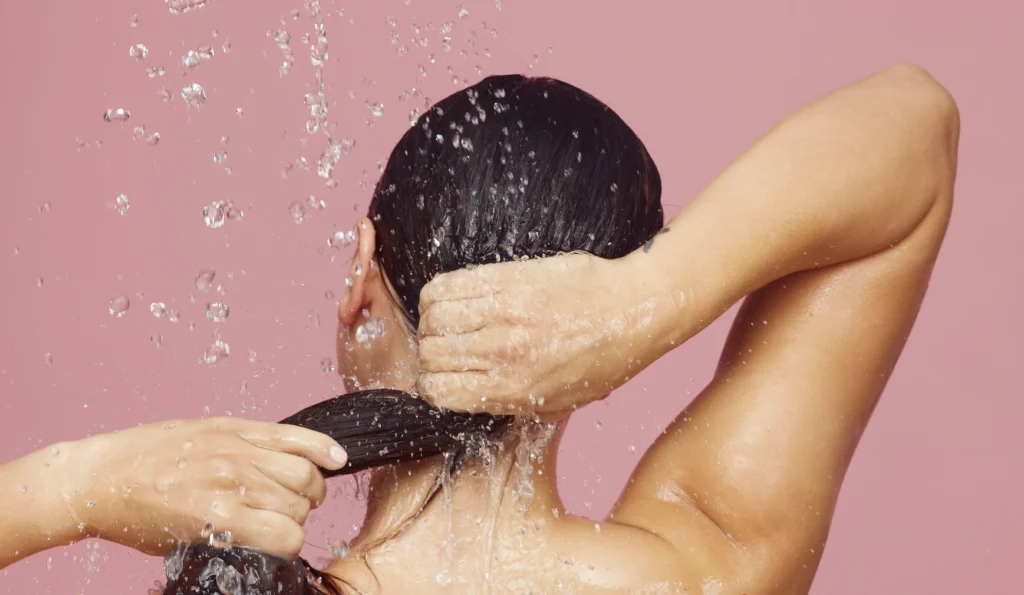
There’s no universal “correct” number of times to wash your hair per week — it depends entirely on your scalp. Oily, fine, straight hair may need daily washing, while dry, coily, or chemically treated hair may only need washing every 1–2 weeks. Dermatologists note that daily shampooing to the scalp is appropriate for straight, oily hair, while textured or curly hair often only needs it every two to three weeks.
Over-washing strips natural oils, prompting the scalp to overproduce sebum in response — a frustrating cycle that leaves hair looking greasier faster. Under-washing, on the other hand, allows product buildup, dead skin, and oil to accumulate, which can weigh hair down and even contribute to scalp irritation.
Tip: Apply shampoo primarily to the scalp, not the full length of your hair. The lather that runs down as you rinse is usually enough to cleanse the strands without over-drying them.
Related reading: check out our guide on prom hairstyles for long hair for styling ideas once your wash routine is dialed in.
3. Condition Every Time You Shampoo
Conditioner isn’t optional — it replenishes moisture, smooths the cuticle, and makes hair easier to detangle and style. If you have fine or straight hair, focus conditioner on the mid-lengths and ends to avoid weighing down your roots. If your hair is dry, curly, or coily, you can apply conditioner more generously through the entire length.
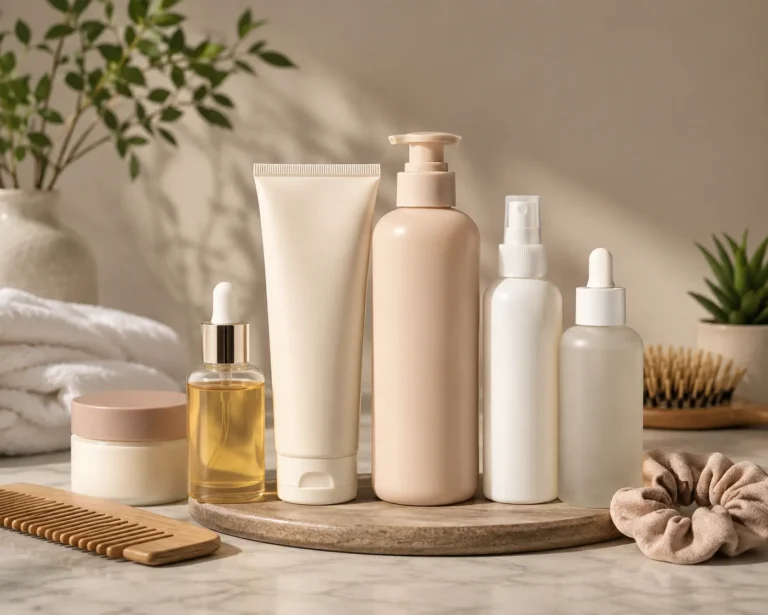
Look for moisturizing ingredients like shea butter, argan oil, or keratin if your hair leans dry, and lighter, protein-based formulas if your hair tends toward limpness. A weekly deep conditioning mask can offer a bigger moisture boost for hair that’s been color-treated, heat-styled, or exposed to harsh weather.
4. Be Gentle With Wet Hair
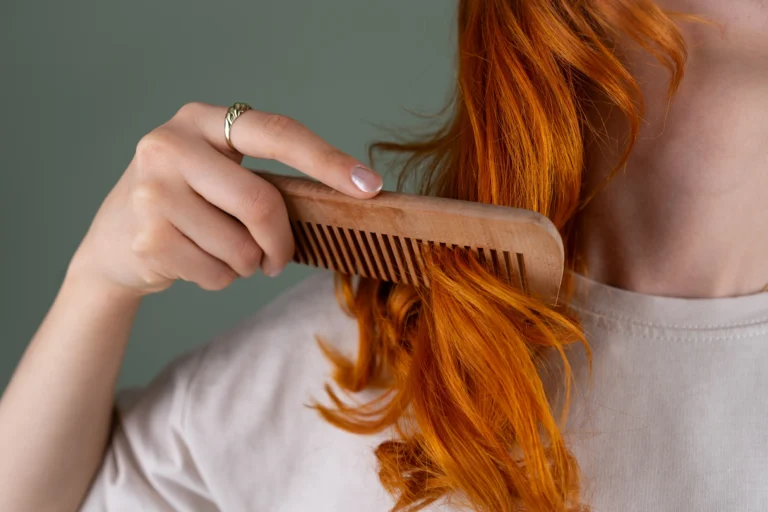
Wet hair is at its most vulnerable state — the hair shaft swells and the cuticle lifts, making strands more prone to snapping. Brushing wet hair aggressively is one of the fastest ways to cause breakage and frizz.
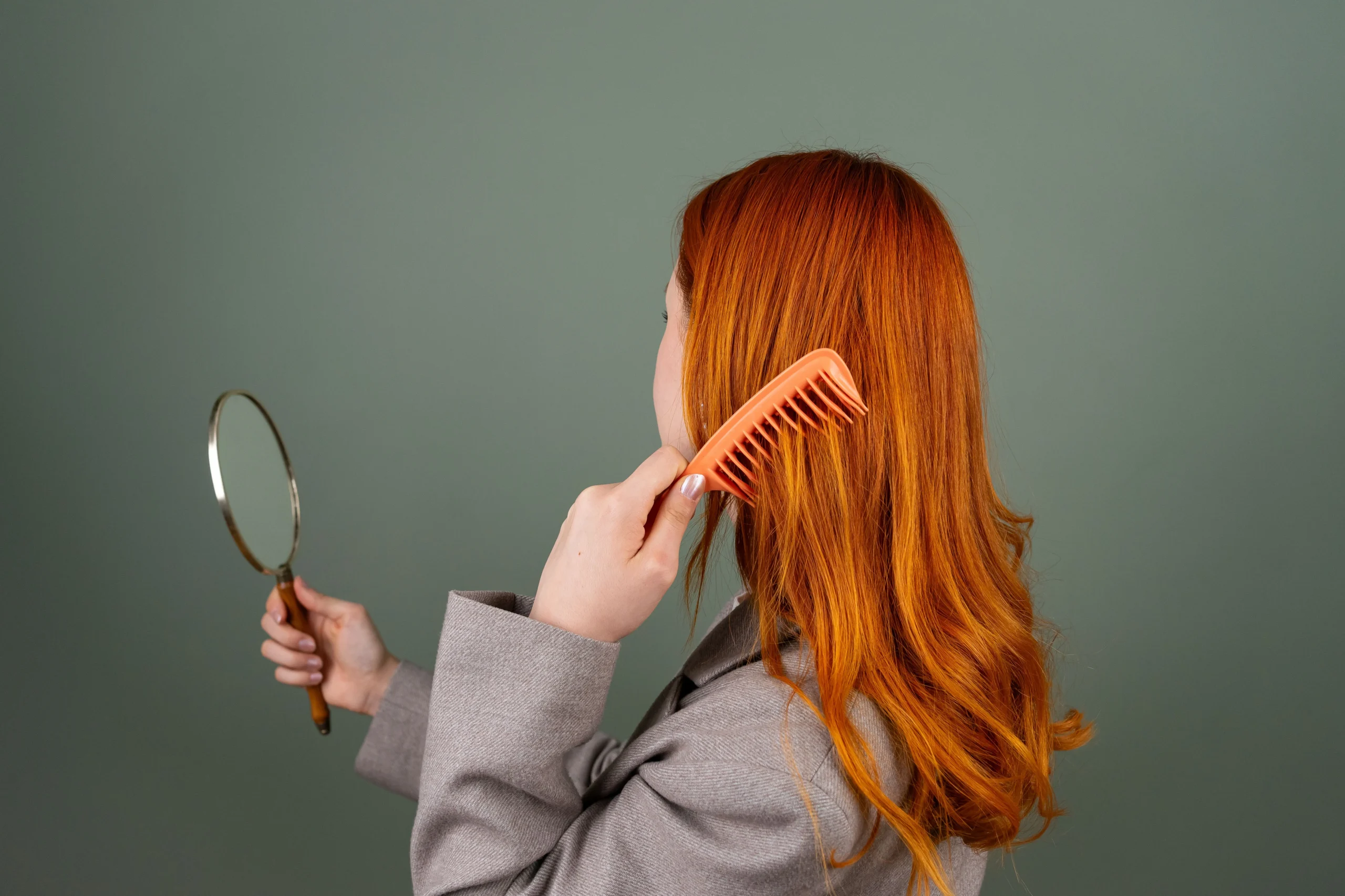
Instead, use a wide-tooth comb or a brush specifically designed for wet hair, and start detangling from the ends, working your way up to the roots in small sections. Skip the rough towel-drying too: rubbing hair with a regular towel roughs up the cuticle and creates tangles. Swap it for a microfiber towel or an old cotton t-shirt, gently blotting or scrunching to absorb excess water instead.
Our Read Hair Care Products You Actually Need (And the Ones You Can Skip)
5. Protect Hair From Heat Styling
Heat styling tools can reach temperatures well above what your hair’s natural proteins can safely handle, weakening the cuticle and leading to dryness, split ends, and breakage over time. If you use blow dryers, flat irons, or curling wands, a heat protectant spray or serum should become a non-negotiable step — it creates a barrier that reduces moisture loss during styling.
Beyond that, using the lowest effective heat setting, keeping the tool moving instead of holding it on one section, and giving your hair “heat-free” days between styling sessions all help minimize cumulative damage. Overnight braids, buns, or foam rollers can create waves and volume without a single degree of heat.
Related reading: for waves without heat, see our Hollywood waves hairstyles guide.
6. Get Regular Trims
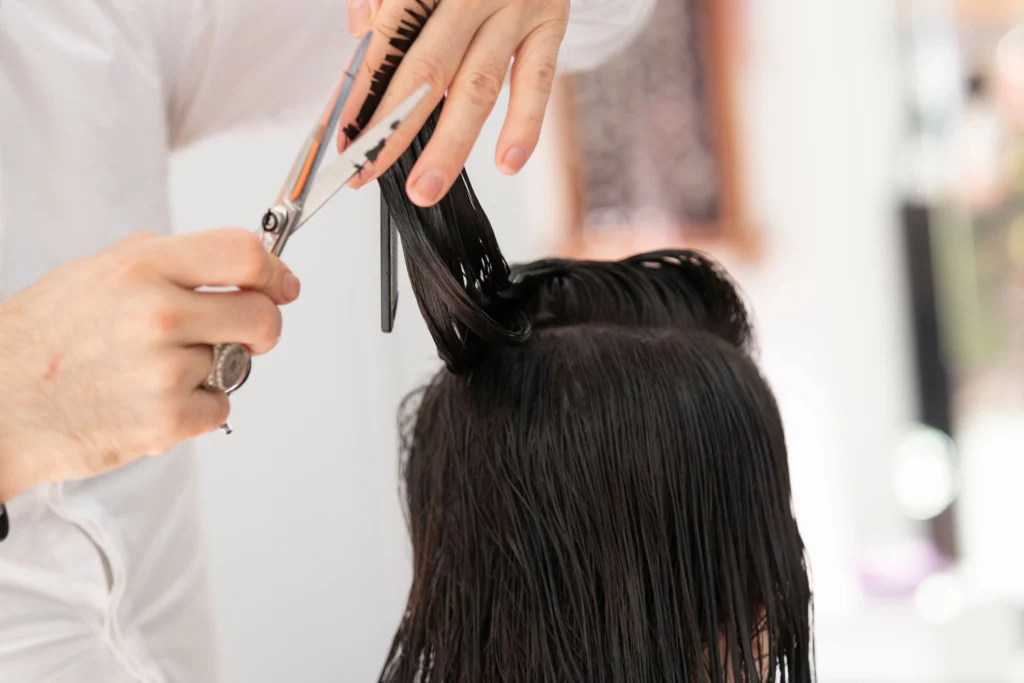
It might seem counterproductive to cut hair when you’re trying to grow it longer, but regular trims are one of the most effective strong hair tips available. Split ends don’t repair themselves — hair is a non-living structure once it grows past the scalp, and damage at the tip will continue to travel upward, making hair look increasingly frayed and dull if left unchecked.
A trim every 8–12 weeks (or as needed based on how quickly your ends split) keeps hair looking healthier and can actually support longer-term length retention, since you’re removing damage before it forces a bigger cut later.
7. Feed Your Hair From the Inside
Hair health starts well before your hair even leaves the scalp. Because hair follicles are made largely of protein, a diet lacking adequate protein, iron, zinc, biotin, or omega-3 fatty acids can show up as dull, weak, or thinning strands. Foods like eggs, salmon, leafy greens, nuts, and avocados provide many of the building blocks hair needs for strength and shine.
While no single food will transform your hair overnight, sustained nutritional gaps often show up as brittle or slow-growing hair months later. If you suspect a deficiency (especially iron or vitamin D), it’s worth discussing bloodwork with your doctor rather than guessing with supplements.
Unique insight: Hair growth reflects your nutritional status from two to three months prior, since hair grows slowly and shows deficiencies with a delay. That’s why “quick fix” diets rarely produce visible hair improvements — consistency over months matters more than short bursts of healthy eating.
8. Prioritize Scalp Health
A healthy scalp is the literal foundation everything else grows from, yet it’s the most commonly neglected part of a hair care tips routine. Product buildup, dead skin cells, and clogged follicles can all interfere with healthy hair growth over time.
Incorporating a gentle scalp scrub or exfoliating shampoo every couple of weeks can help clear buildup without over-stripping natural oils. Scalp massages — even just a few minutes with your fingertips in circular motions — may help boost blood flow to the follicles and ease tension.
9. Choose the Right Brush for Your Hair
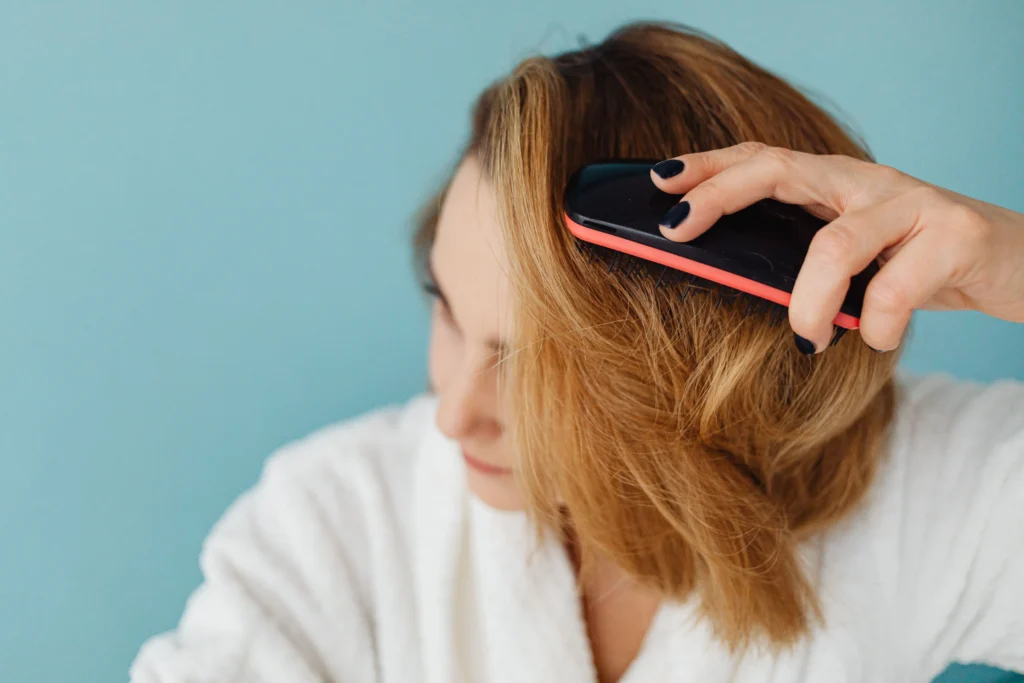
Not all hairbrushes are created equal. Boar bristle brushes are excellent for distributing natural scalp oils down the length of the hair, which can enhance shine, particularly for straight to wavy hair types. Wide-tooth combs are gentler for detangling, especially on wet or curly hair, reducing breakage compared to fine-tooth brushes.
Cheap plastic brushes with rough seams can snag and tear hair, especially fragile or damaged strands. Investing in one quality brush suited to your hair type is a small change that pays off daily.
10. Limit Chemical Treatments
Coloring, bleaching, relaxing, and perming can all deliver the look you want, but each process alters the hair’s protein structure, and repeated treatments compound the damage. Spacing out chemical services and using color-safe, sulfate-free products in between helps hair recover and retain moisture.
If you’re due for a color refresh, ask your stylist about lower-damage alternatives like glossing treatments or root-only touch-ups instead of full re-processing every time.
11. Protect Hair From Sun and Chlorine
UV rays don’t just affect your skin — they can break down hair’s protein structure and fade color, particularly on lighter or color-treated hair. Chlorine and salt water are similarly drying, stripping natural oils and leaving hair brittle.
Wearing a hat, using leave-in products with UV filters, and rinsing hair with fresh water before and after swimming can all reduce cumulative sun and pool damage.
12. Switch to a Silk or Satin Pillowcase
Cotton pillowcases create friction as you move through the night, which can rough up the cuticle and contribute to frizz and tangles. Silk or satin pillowcases allow hair to glide rather than catch, reducing overnight breakage — a small swap with a noticeably smoother morning result over time.
13. Don’t Skip Leave-In Products
A lightweight leave-in conditioner or hair oil can lock in moisture after washing and provide an extra layer of protection throughout the day, especially for dry, curly, or color-treated hair. Look for formulas with argan, jojoba, or coconut oil for hydration without heaviness.
14. Manage Product Buildup
Even “good” products accumulate on hair and scalp over time, leaving strands looking dull and weighed down. A clarifying shampoo used every few weeks can reset your hair without the daily stripping effect of harsher formulas, restoring shine that buildup had been masking.
15. Build a Routine You’ll Actually Stick To
The single biggest factor separating people with consistently healthy hair from those still searching for answers isn’t a secret product — it’s consistency. A simple three-step routine practiced reliably will outperform an elaborate ten-step routine abandoned after two weeks. Choose two or three of these healthy hair tips to start with, build the habit, and layer in more over time.
Looking for ways to style your newly healthy hair? Browse our prom hairstyles for short hair and braided prom hairstyles guides for inspiration.