
The most common hair care mistakes that damage hair include over-washing, skipping heat protectant, brushing wet hair, skipping trims, using the wrong products for your hair type, tying hair too tightly, and sleeping on cotton pillowcases. Fixing even two or three of these habits can noticeably reduce breakage, dryness, and split ends within weeks.
Before starting, we’ve got some other related setups articles about home office setups, take a look:
You condition, you deep-treat, you buy the good shampoo — and yet your hair still feels dry, frizzy, or brittle by the end of the week. If that sounds familiar, the problem usually isn’t a lack of products. It’s a handful of everyday hair care mistakes that quietly undo all that effort. From how you towel-dry after a shower to how tightly you pull your hair back for work, small habits add up over time and show up as breakage, split ends, and dullness. In this guide, we’ll walk through 15 common hair care mistakes that are damaging your hair right now, and the simple fixes that can help you turn things around without overhauling your entire routine.
1. Washing Your Hair Too Often
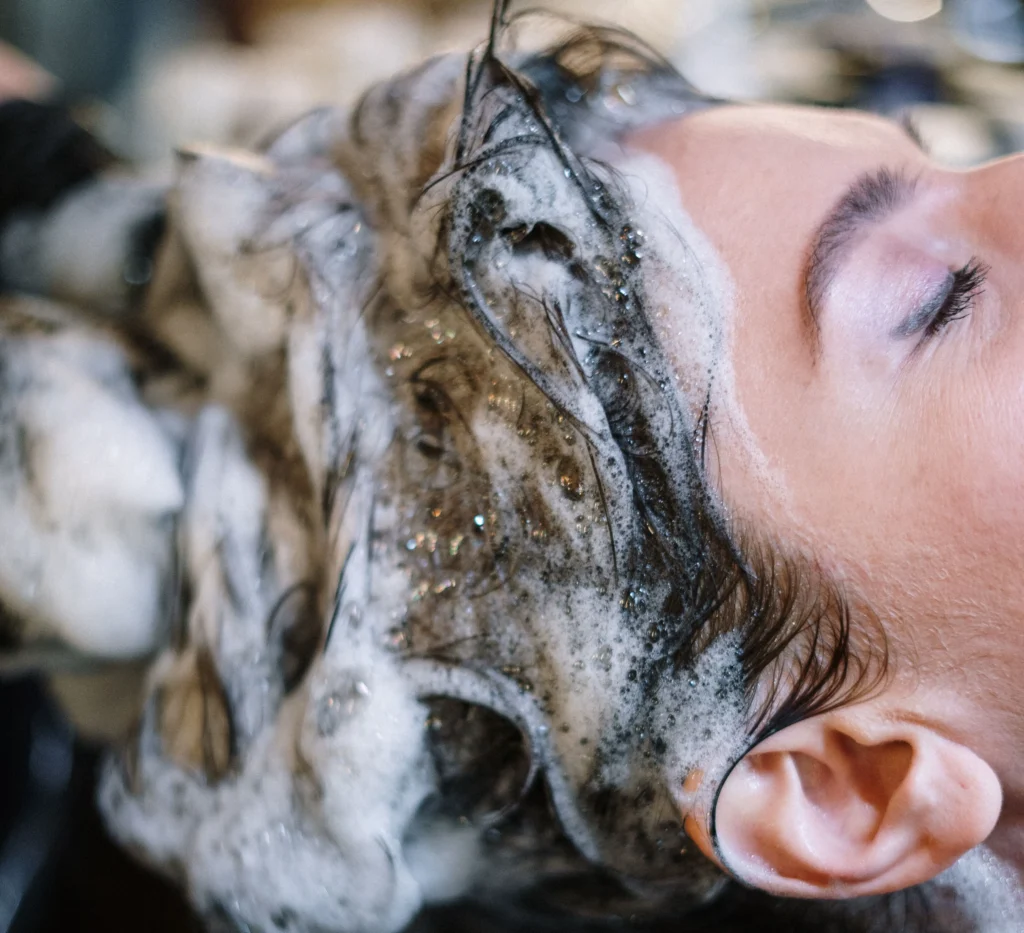
Washing daily feels like the “clean” thing to do, but for most hair types it’s one of the most damaging hair care mistakes out there. Shampoo strips natural oils from the scalp, and when you wash every day, your scalp responds by producing even more oil to compensate — leaving you stuck in a cycle of greasy roots and dry, brittle ends.
Most hair only needs washing two to three times a week, depending on your scalp’s natural oil production and hair type. If your hair rarely feels greasy, you likely need to wash even less often than that.
Unique insight: The urge to wash daily is often a habit, not a scalp need. Try stretching one extra day between washes for two weeks — most people are surprised how quickly their scalp adjusts and produces less oil overall.
2. Skipping Heat Protectant Before Styling
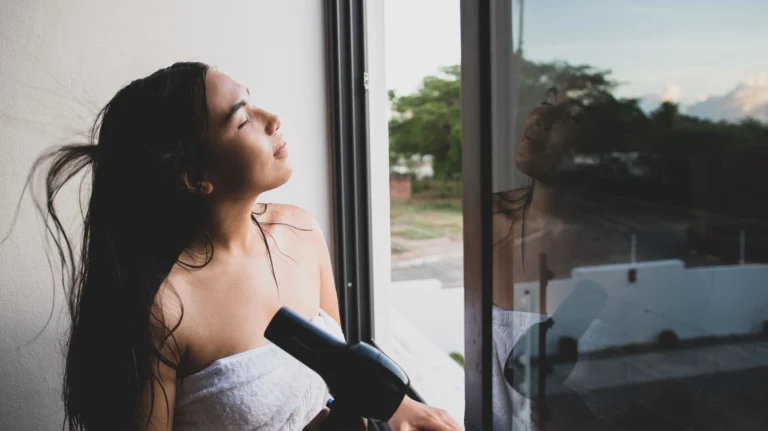
Blow dryers, flat irons, and curling wands can reach temperatures well above what hair’s protein structure can safely handle. Skipping heat protectant spray before styling is one of the fastest routes to hair breakage, since there’s nothing shielding the hair shaft from moisture loss and cuticle damage.
Apply a heat protectant every single time you use hot tools, not just on the days you remember. Look for one with silicones or polymers that coat the strand, and always use the lowest effective heat setting.
Related reading: for heat-free style ideas, check out our loose waves for prom guide.
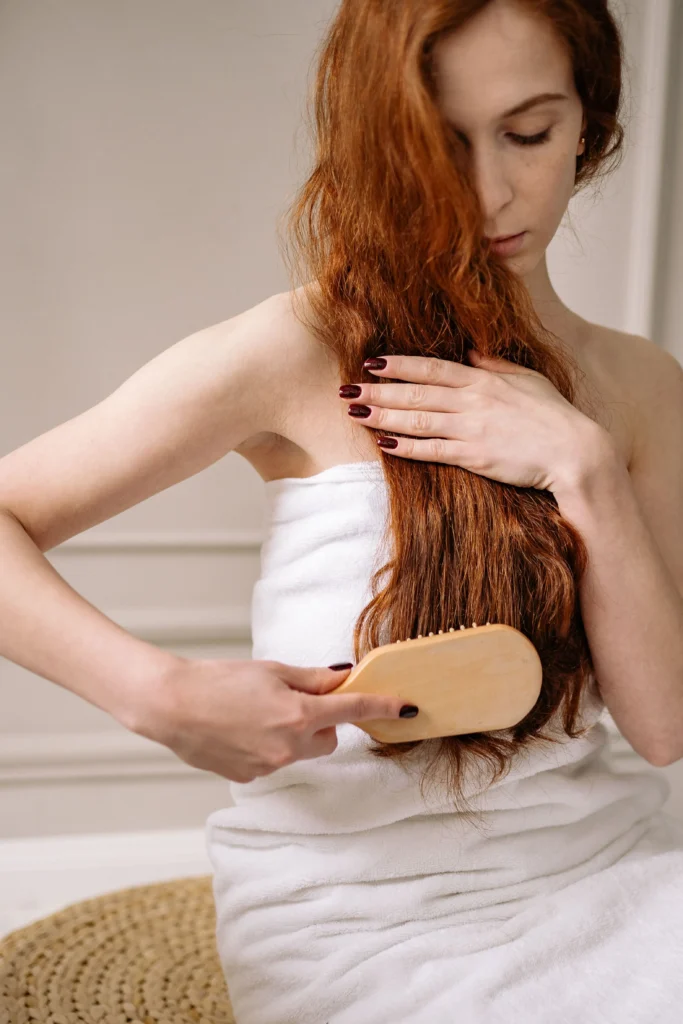
3. Brushing Hair While It’s Wet
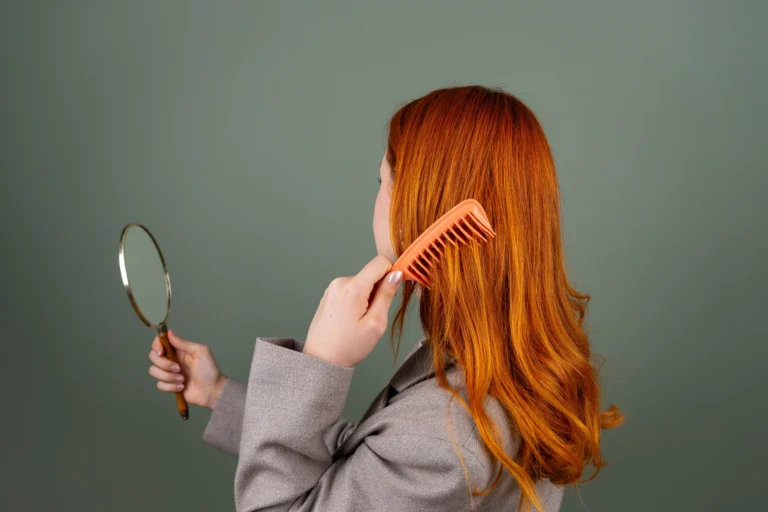
Wet hair is at its most fragile — the strand swells and the cuticle lifts, making it far more prone to snapping than dry hair. Reaching for a regular brush right after a shower is a common hair breakage trigger that many people don’t even realize they’re doing.
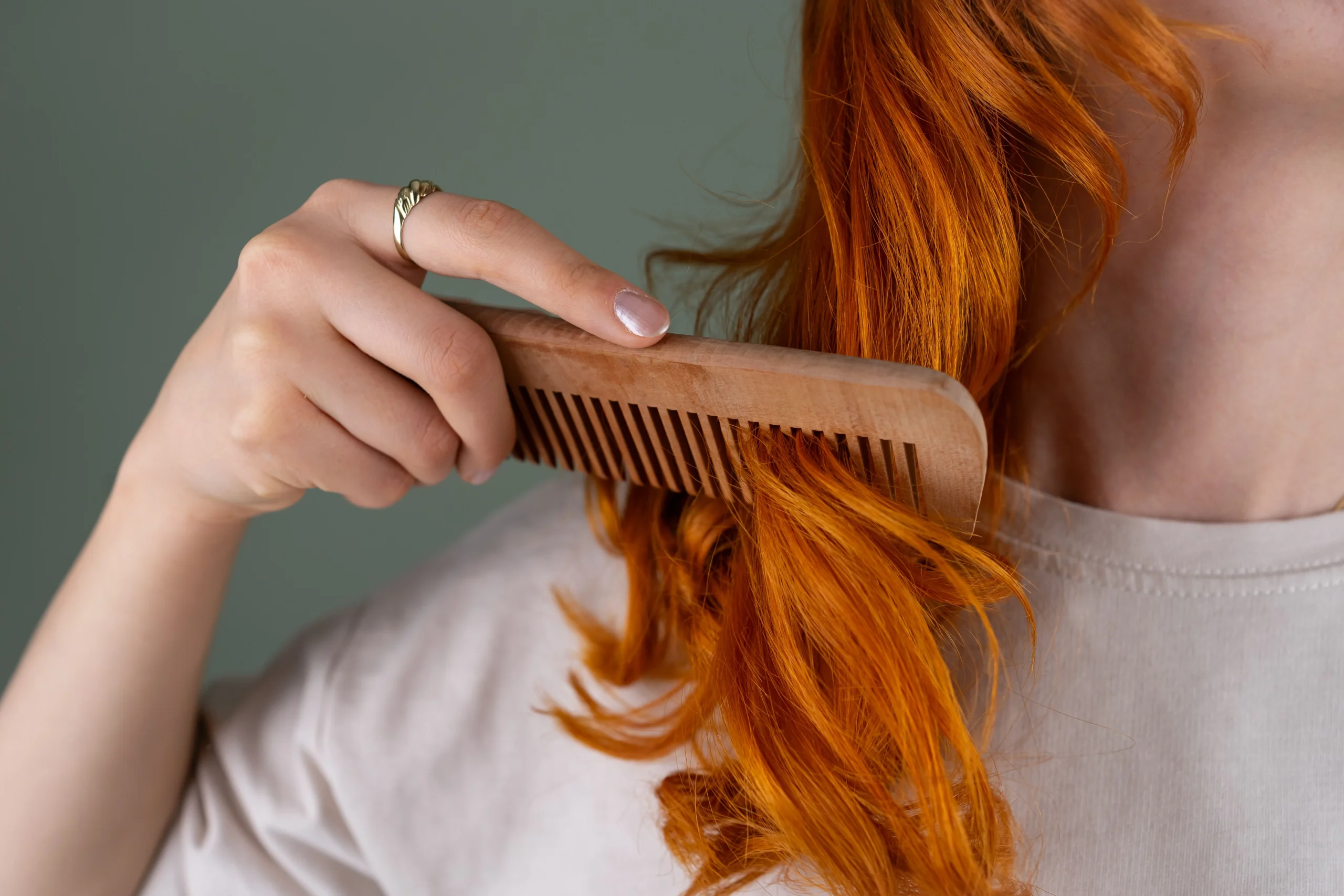
Use a wide-tooth comb instead, and start detangling from the ends, working upward in small sections. If you have curly or textured hair, detangle while your hair is still damp and coated in conditioner, which adds slip and reduces snapping.
4. Skipping Regular Trims
It’s tempting to avoid the salon while you’re trying to grow your hair out, but skipping trims is one of the hair care mistakes that actually works against longer, healthier hair. Split ends don’t heal — they travel up the shaft, turning a small fix into a bigger cut later.
A trim every six to eight weeks removes damage before it spreads, keeping length looking healthier and reducing overall breakage.
5. Using Products That Don’t Match Your Hair Type
Using a shampoo or conditioner made for fine hair on thick, curly strands (or vice versa) is a surprisingly common mistake. The wrong formula can leave curly and coily hair under-moisturized and fine hair weighed down with heavy buildup.
Take the time to identify your hair type and porosity, then choose products formulated specifically for that texture. It’s a small change that has an outsized effect on how your hair looks and feels day to day.
6. Rubbing Hair Dry With a Regular Towel
Vigorously rubbing wet hair with a terrycloth towel creates friction that roughs up the cuticle, leading to frizz, tangles, and breakage. It’s one of those hair care mistakes that feels harmless but adds up with every single wash.
Swap your regular towel for a microfiber towel or a soft cotton t-shirt, and blot or gently scrunch instead of rubbing. This small switch alone can noticeably cut down on frizz.
7. Overusing Heat Styling Tools
Even with a heat protectant, using flat irons, curling wands, or blow dryers on high heat every single day compounds damage over time. Heat styling tools can reach 400°F or higher, which is enough to weaken keratin bonds and cause long-term dryness.
Try to give your hair at least a few heat-free days each week. Overnight braids, buns, or foam rollers can create waves or curls without touching a single hot tool.
8. Sleeping With Wet Hair
Going to bed with damp hair might save time in the morning, but it leads to matting, tangles, and increased breakage overnight, especially if your hair moves around against your pillow while you sleep. Wet hair is also more prone to fungal or scalp irritation if it stays damp for hours.
Let your hair air-dry as much as possible before bed, and loosely braid it or wrap it to minimize friction and tangling while you sleep.

9. Using Cotton Pillowcases
Cotton pillowcases create noticeably more friction than smoother fabrics, and that friction shows up as frizz, tangles, and broken strands by morning. If you toss and turn at night, the damage adds up even faster.
Switching to a silk or satin pillowcase lets hair glide instead of catch, which can meaningfully reduce overnight breakage — a simple, one-time swap with long-term benefits.
10. Wearing Hairstyles That Are Too Tight
Tight ponytails, buns, braids, and cornrows look polished, but the constant tension can stress the hair follicle and lead to breakage along the hairline — a condition sometimes called traction alopecia when it happens repeatedly over time.
Wear your hair pulled back loosely when you can, and vary your part and hairstyle from day to day so the same strands aren’t under repeated tension.
Related reading: see our prom hairstyles for long hair for styling options that don’t require chemical treatments.