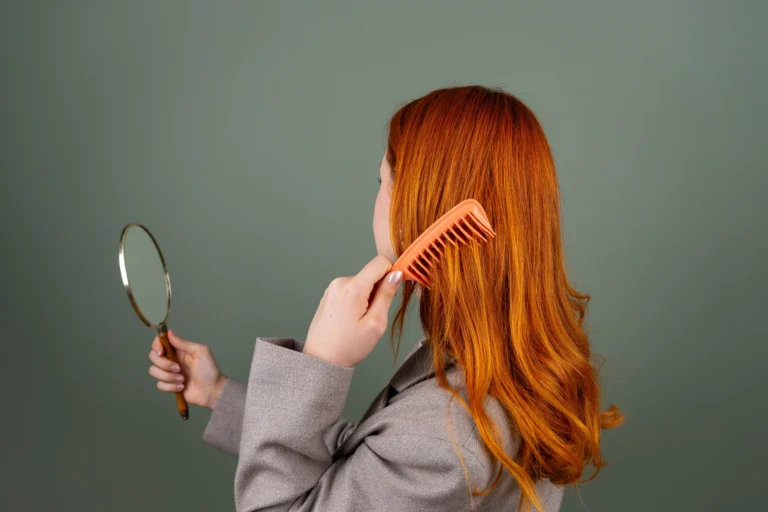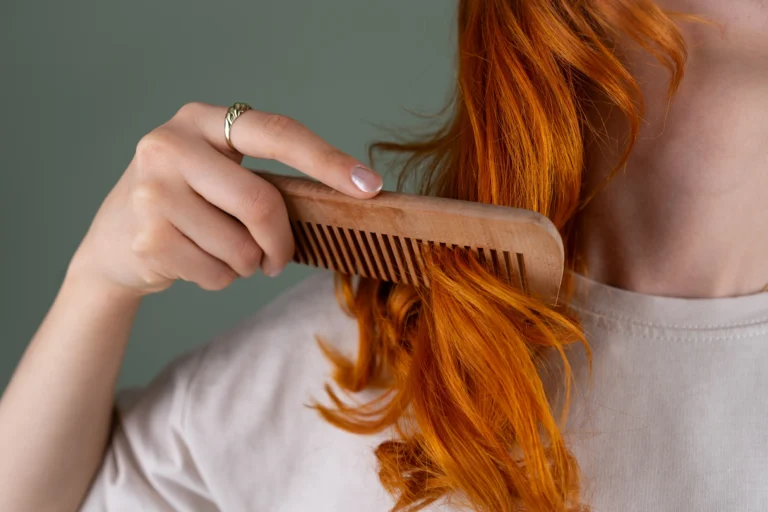

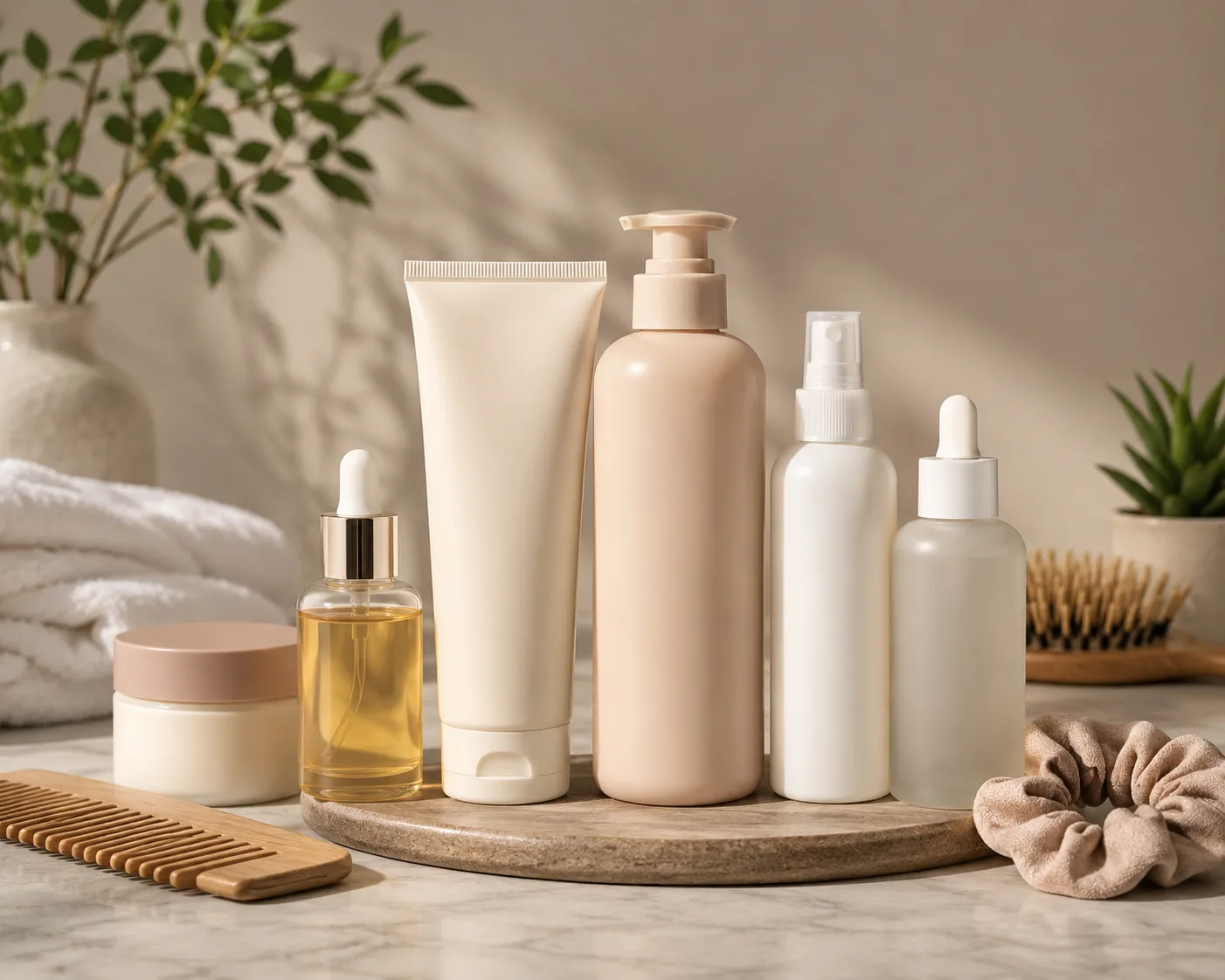
The hair care products you actually need are shampoo, conditioner, a heat protectant if you use hot tools, and one weekly treatment like a mask or leave-in conditioner. Products you can typically skip include split-end “repair” serums, thickening shampoos claiming to boost growth, and most detox or trendy add-ons that duplicate what your core routine already does.
Before starting, we’ve got some other related setups articles about home office setups, take a look:
1. Shampoo: The Non-Negotiable Foundation
Shampoo is designed primarily to cleanse the scalp, removing product buildup, oil, and debris rather than just cleaning the visible strands. A good shampoo should leave hair tangle-free, not matted, and should be matched to your specific hair type and scalp needs rather than chosen based on scent or packaging.
Not all sulfates are harmful, but choosing a sulfate-free shampoo is often gentler for daily use, especially for color-treated, dry, or textured hair. This is one hair care product that’s genuinely impossible to skip.
2. Conditioner: Why You Can’t Skip It
Hair is naturally hygroscopic, meaning it constantly absorbs and releases moisture from the air, and conditioner helps keep that moisture balance in check. Skipping conditioner entirely can leave hair brittle, dry, and prone to tangling, making it one of the few hair care products with essentially no valid argument for skipping.
Apply conditioner from mid-lengths to ends rather than the scalp, since your roots already have natural oils and adding conditioner there can leave them looking greasy.
Related reading: browse our prom hairstyles for long hair for styling ideas that show off well-conditioned strands.
3. Heat Protectant
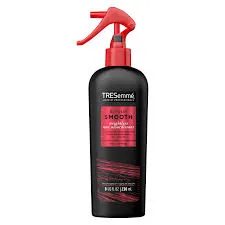
If you style with a blow dryer, flat iron, or curling wand even occasionally, a heat protectant is genuinely essential rather than optional. It acts as a barrier, coating the strand so that heat damage is absorbed by the product layer instead of the hair itself.
If you never use heat styling tools, you can safely skip this one — it’s a situational essential, not a universal one.
4. Leave-In Conditioner: Worth Adding
A leave-in conditioner offers ongoing hydration and protection throughout the day in a way a rinse-out conditioner simply can’t. Many double as a lightweight heat protectant too, making them efficient for anyone trying to keep their product shelf simple without sacrificing results.
This is especially worth keeping if you have dry, curly, or coily hair, which tends to need more consistent moisture than fine or straight textures.
5. Hair Oil: Nourishment That Earns Its Spot
Hair oils like argan, coconut, or castor oil are rich in fatty acids that nourish and protect the strand, and unlike some trendier products, their benefits are well established. Argan oil in particular is prized for shine and frizz control, while coconut oil is known for penetrating the hair shaft to moisturize from within.
Used sparingly on damp or dry ends two to three times a week, hair oil earns its place as a genuine hair care product rather than an unnecessary extra.
6. Hair Mask or Deep Conditioner: A Weekly Essential
Regular conditioner smooths the cuticle, but a hair mask penetrates more deeply to repair and intensively hydrate, making it especially valuable if you deal with frizz, dryness, or heat and color damage. It’s not something you need daily, but skipping it entirely leaves a real gap in most routines.
Wavy and curly hair types tend to benefit most from weekly masking, while fine or oily hair can often get away with occasional use in smaller amounts.
Related reading: check out our Hollywood waves hairstyles guide for styles that pair well with well-hydrated hair.
7. Scalp Scrub: Underrated but Valuable
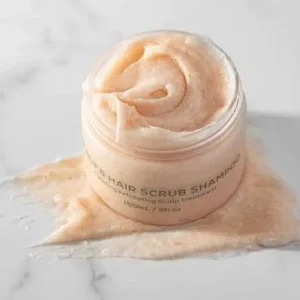
Just like the skin on your face and body, your scalp benefits from regular exfoliation to remove buildup and dead skin cells. A gentle scalp scrub used every couple of weeks supports the foundation hair actually grows from, which many routines overlook entirely.
This isn’t strictly essential for everyone, but it’s one of the few “extra” products genuinely worth adding rather than skipping, especially if you notice flaking or slower-feeling growth.
8. Skip It: Split-End “Repair” Serums
Products claiming to “repair” or “mend” split ends are misleading, since hair is non-living tissue once it grows past the scalp and cannot actually heal itself. These serums can temporarily smooth the appearance of a split end by coating it, but the underlying damage remains until it’s trimmed away.
Save your money here — a good trim does what no serum can.
9. Skip It: Thickening Shampoos Promising Hair Growth
Thickening shampoos typically deposit proteins like wheat or soy onto the hair shaft, which can make strands look and feel slightly thicker cosmetically. What they can’t do is increase your actual hair growth rate or add more hair to your head, since growth cycles are determined by genetics rather than anything you wash your hair with.
If cosmetic thickness is your goal, these can be a reasonable add-on, but they’re not an essential, and the growth claims are worth taking with skepticism.
10. Skip It: Keratin-Infused Everything
Many products marketed as “keratin-infused” don’t actually contain real keratin at all — more often it’s an amino acid or general protein ingredient that coats the hair rather than penetrating and rebuilding its internal structure. The effect is largely cosmetic smoothness rather than a structural repair.
A well-formulated conditioner or mask with genuine strengthening ingredients typically accomplishes more than a keratin label alone.
11. Skip It (Usually): Detox and Cleanse Shampoos
“Detox” shampoos are essentially rebalancing formulas for the scalp rather than anything pulling toxins out of your body, and most people don’t need one in regular rotation. A standard clarifying shampoo used occasionally, once every few weeks, accomplishes the same buildup removal without an extra product taking up shelf space.
Related reading: browse our prom hairstyles for short hair for low-maintenance style ideas that need fewer products overall.
12. Skip It (Mostly): Layering Too Many Stylers
It’s easy to accumulate mousse, gel, cream, and spray, all doing overlapping jobs, which often just leaves hair heavy, sticky, or hard to manage rather than better styled. One well-chosen multi-purpose styler, matched to your texture, usually replaces three or four redundant products.
Related reading: see our braided prom hairstyles for styles that need minimal product to hold.
13. Hair Supplements: Do You Really Need Them?
Hair supplements can support hair health if you have an actual nutritional deficiency, but they’re not a magic bullet for growth or thickness if your diet is already balanced. Nutrients like protein, iron, biotin, and omega-3 fatty acids matter most when obtained through food first, with supplements as a targeted addition rather than a default purchase.
14. How to Build a Minimalist, Effective Routine
A genuinely effective hair care routine can run on as few as four or five products: shampoo, conditioner, a heat protectant if needed, one weekly treatment, and a styler suited to your texture. Reducing the number of products also reduces buildup, scalp stress, and daily decision fatigue.
Unique insight: More products don’t compound their benefits the way people assume — layering five different “hydrating” formulas often just traps moisture unevenly rather than multiplying results. Fewer, well-matched products consistently outperform a crowded shelf.
15. Matching Products to Your Hair Type Instead of Trends
The single biggest factor in whether a hair care product actually helps you is whether it matches your specific hair type, texture, and concerns, not whether it’s trending online. What works beautifully for a friend’s fine, straight hair may do nothing for thick, curly hair, and vice versa.
Before adding anything new to your routine, ask whether it solves a real problem you’re currently having, rather than whether it looks appealing in a five-star review.