


The best hair color for your skin tone comes down to matching your undertone, not your surface skin color. Warm undertones (golden, peachy, olive) glow in caramel, copper, and golden blonde. Cool undertones (pink, blue, porcelain) shine in ash blonde, cool brown, and burgundy. Neutral undertones can wear almost anything. A quick wrist-vein check is the fastest way to find yours.
Before starting, we’ve got some other related setup articles about home office setups. Take a look:
- Ultimate Hair Care Routine for Every Hair Type (2026 Guide)
- 10 Hair Care Mistakes Damaging Your Hair (And How to Fix Them)
- 15 Hair Care Tips for Healthy, Strong, and Shiny Hair
- How to Make Your Hair Color Last Way Longer (Stylists Swear by These Tips)
- The Best Brunette Hair Color Ideas for Every Skin Tone and Style
Skin Tone vs. Undertone: What’s the Difference
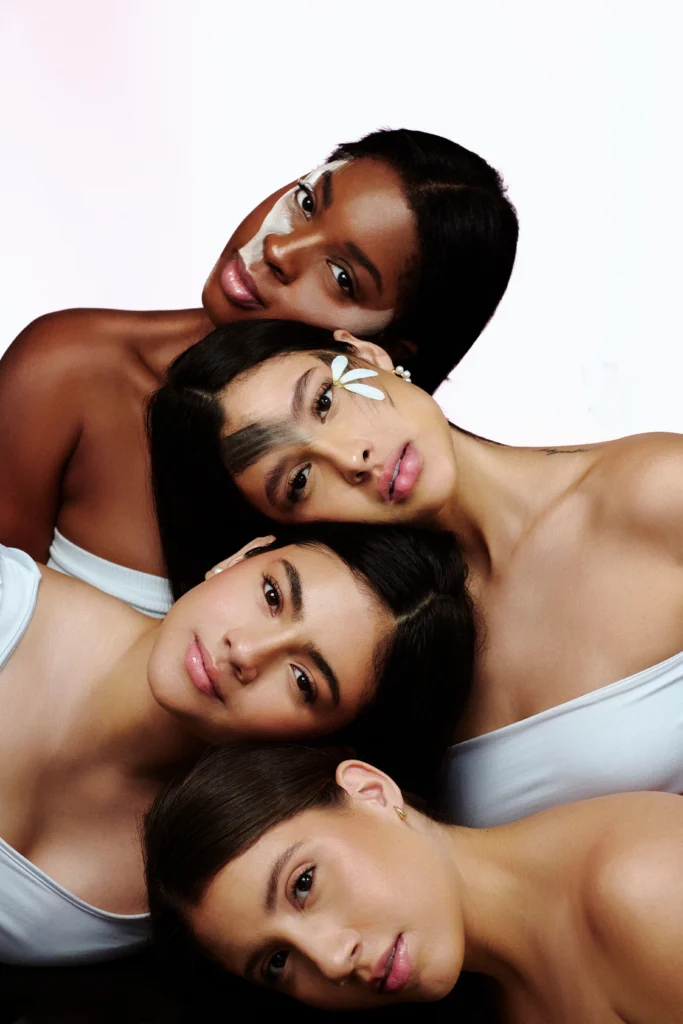
Before you can find the right hair color for your skin tone, it helps to separate two things people mix up constantly: skin tone and undertone. Your skin tone is the surface color you see in the mirror — fair, light, medium, deep — and it can shift with the seasons thanks to sun exposure, skincare, or even stress. Your undertone is the subtle hue underneath that surface color, and unlike skin tone, it stays the same your entire life.
This distinction matters because two people with the exact same surface skin tone can have completely different undertones, which means the same hair color could look stunning on one and washed out on the other. Once you know your undertone, choosing flattering hair colors by complexion becomes far less of a guessing game.
How to Find Your Undertone
The good news is you don’t need a professional colorist to figure out your undertone — a few simple at-home tests will get you most of the way there.
The Vein Test
Look at the veins on the inside of your wrist in natural daylight. If they appear blue or purple, you likely lean cool. If they look more green, you lean warm. A mix of both usually means a neutral undertone.
The Jewelry Test
Hold a piece of silver and a piece of gold jewelry against your skin, one at a time. If silver makes your skin look brighter and more radiant, you probably lean cool. If gold does the same, you feel warm. If both look equally flattering, you’re likely neutral.
The White Paper Test
Hold a plain white sheet of paper up next to your bare face in natural light. A hint of yellow or golden cast on your skin suggests warm undertones, while a pink or bluish cast suggests cool undertones.
The Sun Reaction Test
Think back to your last real sun exposure. Skin that burns easily tends to lean cool, while skin that tans quickly tends to lean warm. If you do a bit of both, neutral is likely your answer.
Best Hair Color for Warm Skin Tones
If your undertone reads warm — golden, peachy, or olive — hair colors that echo that same warmth tend to look the most natural and glowing rather than fighting against your complexion. This is where terms like “flattering hair colors by complexion” really come into play, since warm shades enhance rather than compete with warm skin.
Golden blonde, honey, and caramel highlights are classic choices for warm undertones, as are rich auburn and copper reds. On the brunette side, chocolate, chestnut, and warm mocha browns all bring out a healthy glow rather than flattening the complexion the way an overly ashy shade might. If you have warm skin and want to go lighter, avoid extremely icy or platinum tones — they tend to create a harsher, less flattering contrast than warm-toned blondes do.
Hair Color for Cool Undertones
Cool undertones — think pink, red, or blue casts beneath the skin — tend to look best in hair color that balances rather than amplifies that coolness. Ash blonde, platinum, cool brunette, and burgundy or true red are all go-to options when you’re shopping for hair color for cool undertones.
Because warm, golden, or coppery tones can sometimes look a little jarring against cool skin, a colorist will often recommend a toning treatment to keep any warmth in the hair neutralized. If you love the idea of red hair but have cool undertones, a violet-based auburn or berry-toned red tends to work better than a bright orange-copper, since it echoes your skin’s existing cool cast instead of clashing with it.
Best Hair Color for Neutral Undertones
Neutral undertones are, without exaggeration, the easiest to shop for. Because your skin carries a balance of both warm and cool hues, you can pull off nearly anything from a caramel balayage to an ash-toned brunette without worrying too much about clashing.
That said, a few shades tend to look especially polished on neutral undertones: beige blonde, soft rose gold, neutral brunette, and subtle balayage or ombré that blends warm and cool tones together. If you’re neutral and torn between two very different shades, trust that you have more flexibility than most people — lean into whichever one matches the vibe you’re going for rather than worrying about undertone compatibility.
Olive Skin: The Undertone That Confuses Everyone
Olive skin deserves its own category because it’s so frequently misread. Olive undertones carry a subtle green cast that sits between warm and cool, which is why standard tests can feel unreliable — your veins might not read clearly blue or green, and both warm and cool foundations can look slightly off.
For hair color, olive skin often looks best in rich, warm-neutral shades like caramel, warm chestnut, or golden brown rather than very ashy or very orange-toned colors, either of which can emphasize the green cast instead of balancing it. If you have olive skin and you’re unsure which direction to go, checking the skin behind your ear (where surface redness and green cast are least visible) can give you a clearer read on your true undertone.
Matching Hair Color to Skin Depth, Not Just Undertone
Undertone tells you which direction to go — warm or cool — but the depth of your skin tone matters too, especially when it comes to contrast. Very fair skin tends to get washed out by extremely dark hair colors, since the high contrast can make the complexion look even paler by comparison; a medium-to-light hair color is usually more flattering.
On the other end, deep skin tones tend to look stunning with either bold contrast (icy blondes, jewel-toned purples, rich burgundy) or with deep, cool-toned shades like chestnut and mocha that create a seamless, sophisticated finish. Medium or neutral-depth skin tones have the most room to play, since they can typically carry both lighter and darker shades without looking mismatched.
How Eye Color Plays a Role Too
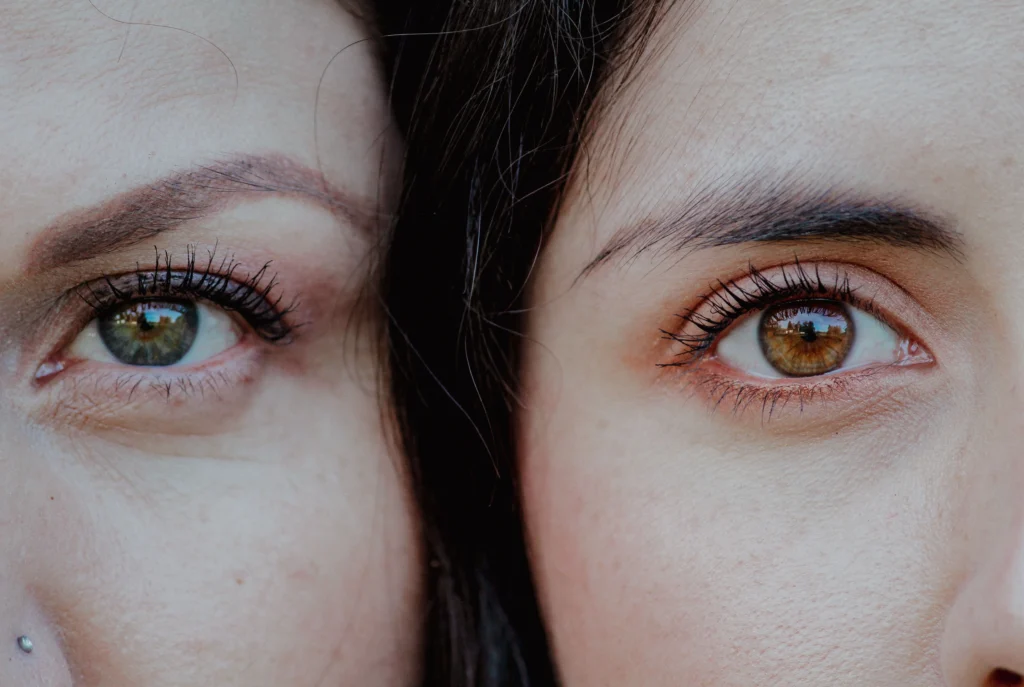
While undertone does most of the heavy lifting, eye color can also nudge you toward certain hair shades. Blue and green eyes tend to pop against cool-toned highlights and ash-based colors, while brown and hazel eyes often look especially warm and rich against golden or copper tones.
This isn’t a hard rule — plenty of people break it and look fantastic — but it’s a useful tiebreaker if you’re stuck between two shades that both work with your undertone. A quick way to test this without committing to a full color change is to try on a few wig swatches or colored scarves near your face to see which family of tones makes your eyes stand out more.
Common Mistakes When Choosing Hair Color for Skin Tone
One of the most common mistakes is picking a color because it looked amazing on someone else, without accounting for the fact that their undertone might be completely different from yours. A shade that makes a friend glow can genuinely wash you out if your undertones don’t match.
Another frequent misstep is going too many levels lighter or darker than your natural color in one sitting. Staying within a few shades of your starting point (lighter or darker) tends to produce more natural, flattering results and is gentler on the hair than a dramatic jump. Finally, skipping a consultation and going straight to a box dye without checking the undertone of the shade itself (many drugstore dyes list a warm/cool indicator on the box) can lead to unexpected, hard-to-fix results.
Testing a New Shade Before Committing
If you’re unsure which hair color for your skin tone is the right call, there are lower-commitment ways to test it out first. A semi-permanent gloss, temporary color spray, or even a clip-in extension in your target shade lets you see the color against your face in real lighting before you commit to a full-color appointment.
Bringing reference photos to your colorist is also worth doing, since a good stylist can adjust a formula’s warmth or coolness to suit your specific undertone rather than applying a shade exactly as it appeared on someone else’s hair.
Styling Tips to Complement Your New Color
Once you’ve landed on a flattering shade, the way you style your hair can make the color read even more vibrant. Soft, romantic waves catch light and highlight dimension beautifully, similar to the movement in Hollywood waves or prom hairstyles for long hair.
Braided styles are another great way to show off color placement and any subtle highlights around the face — see braided prom hairstyles for ideas. And if you’re working with a shorter length, textured styles from prom hairstyles for short hair can frame the face in a way that makes your new color pop even more.


