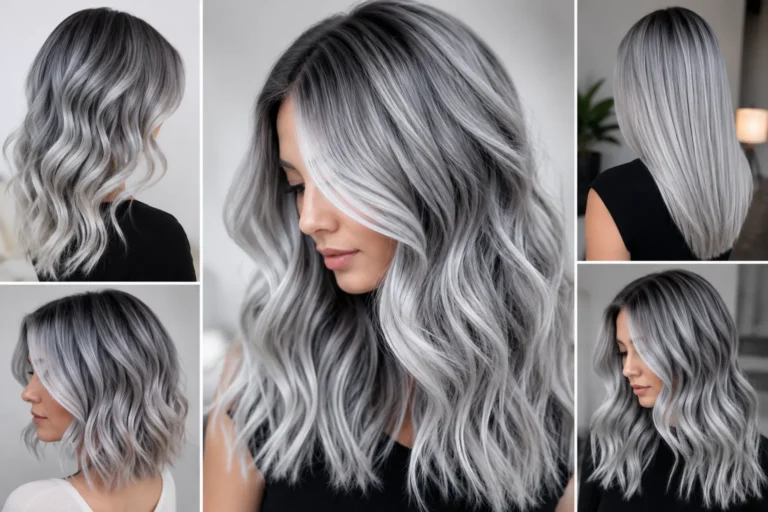

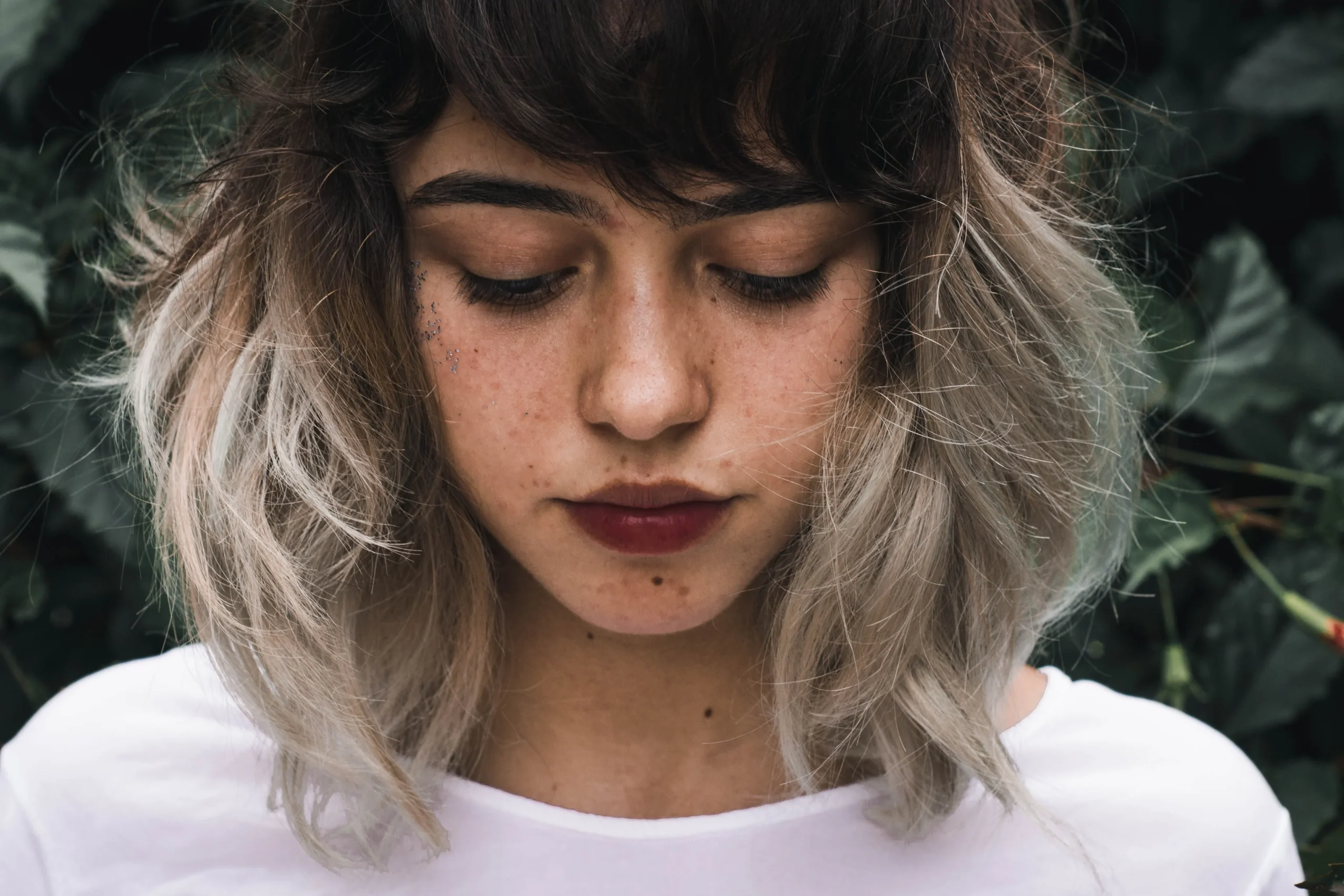
To make hair color last longer, wash with cool water using sulfate-free shampoo, limit washing to 2-3 times weekly, avoid heat styling, use UV protection, and get regular gloss treatments. The best shampoo for color treated hair is sulfate-free with UV filters. These hair color aftercare tips can extend vibrancy by 4-6 weeks.
Before starting, we’ve got some other related setups articles about home office setups, take a look:
- Ultimate Hair Care Routine for Every Hair Type (2026 Guide)
- 10 Hair Care Mistakes Damaging Your Hair (And How to Fix Them)
- 15 Hair Care Tips for Healthy, Strong, and Shiny Hair
Understanding Why Hair Color Fades
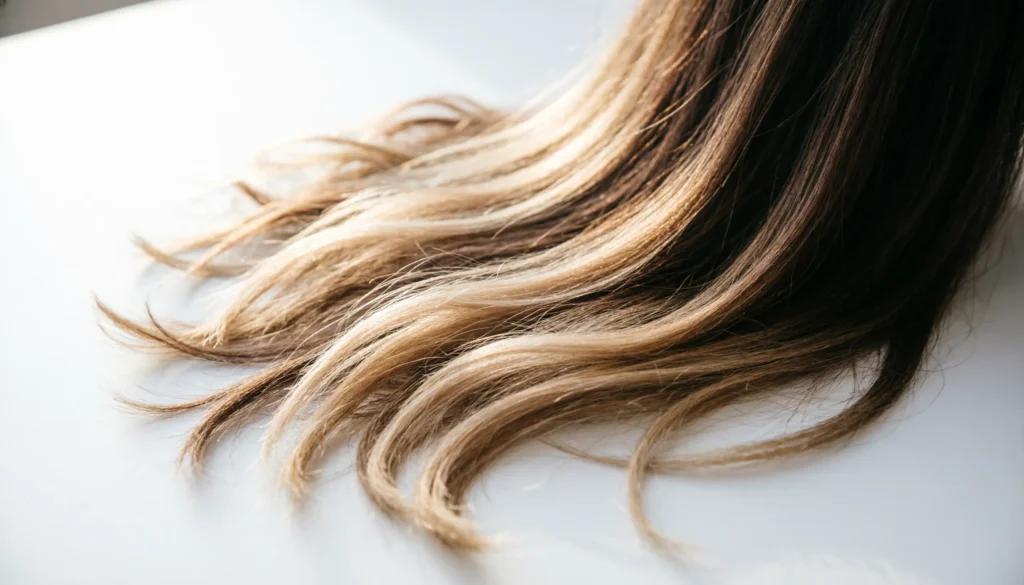
Before diving into how to make hair color last longer, it’s essential to understand what causes color fading in the first place. Hair color fades due to a combination of factors including washing frequency, water temperature, UV exposure, heat styling, and the natural porosity of your hair. When you color your hair, the dye molecules penetrate the hair shaft, but they’re not permanently locked in. Over time, these molecules break down and wash away, leading to that frustrating dull, faded look.
The structure of your hair plays a significant role in color retention. Damaged or highly porous hair has raised cuticles that allow color molecules to escape more easily. This is why prevent hair color fading starts with maintaining healthy hair. Chemical processes like bleaching, perming, or relaxing can increase porosity, making it harder for color to stay put. Environmental factors also contribute—chlorine from swimming pools, hard water minerals, and pollution can all strip color from your strands faster than you’d expect.
Another often-overlooked factor is the type of color you use. Permanent dyes last longer than semi-permanent or demi-permanent options because they penetrate deeper into the hair shaft. However, even permanent color will fade without proper care. Understanding these mechanisms helps you make informed decisions about your hair color aftercare tips routine and why certain practices are non-negotiable for maintaining vibrant color.
The Right Washing Routine for Color-Treated Hair
How often to wash color treated hair is one of the most common questions colorists hear, and for good reason—washing is the number one cause of color fade. The ideal frequency is 2-3 times per week, though this varies based on your hair type and lifestyle. If you have oily hair, you might need to wash more frequently, but there are tricks to extend time between washes. Dry shampoo is your best friend here—it absorbs excess oil at the roots and adds volume, making day-old hair look fresh.
Water temperature matters more than you might think. Hot water opens the hair cuticle, allowing color molecules to escape more easily. Always rinse with cool or lukewarm water, especially during your final rinse. This seals the cuticle, locking in color and adding shine. It might feel uncomfortable at first, but your hair will thank you. If you can’t handle a completely cold shower, try washing with warm water and finishing with a cool rinse for the last 30 seconds.
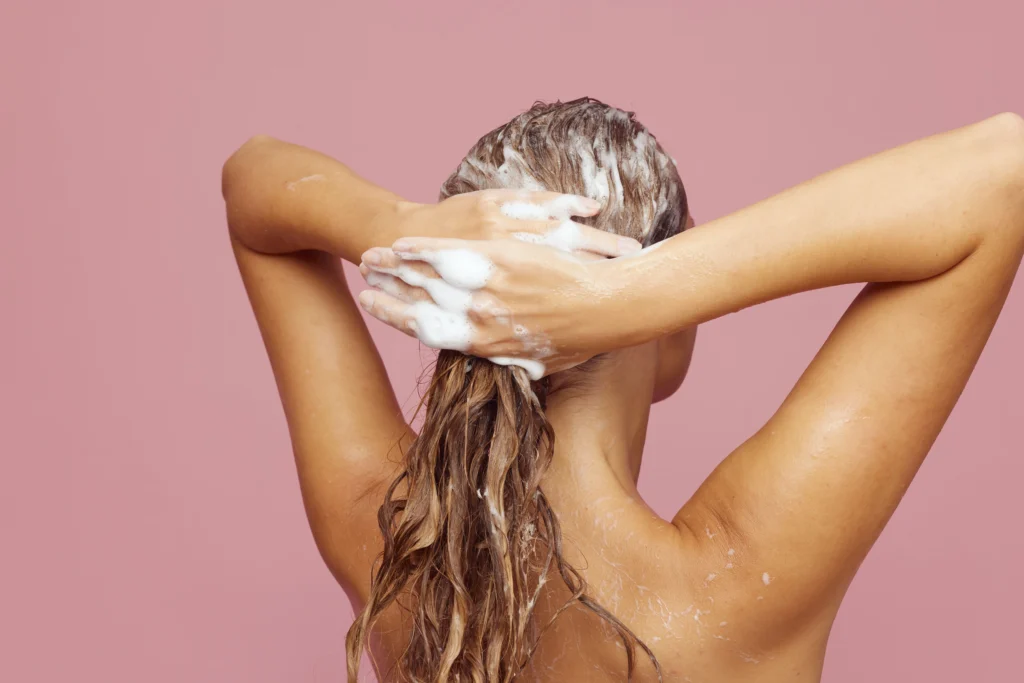
When you do wash, be gentle. Vigorous scrubbing can rough up the cuticle and cause color to fade faster. Instead, massage shampoo gently into your scalp and let the suds run through the lengths as you rinse—this is usually enough to clean mid-lengths and ends without stripping color. Focus your cleansing efforts on the scalp where oil builds up, and treat the lengths with more care. This technique helps maintain color while keeping hair clean and healthy.
Choosing the Best Shampoo for Color-Treated Hair
Investing in the best shampoo for color treated hair isn’t just marketing hype—it’s essential for making your color last. The most important factor is finding a sulfate-free formula. Sulfates (like sodium lauryl sulfate and sodium laureth sulfate) are harsh detergents that create rich lather but strip away natural oils and color molecules. While they make hair feel squeaky clean, they’re essentially washing your expensive color treatment down the drain.
Look for shampoos specifically labeled as “color-safe” or “for color-treated hair.” These formulas are typically pH-balanced to match your hair’s natural pH (around 4.5-5.5), which helps keep the cuticle closed and color locked in. Many also contain UV filters to protect against sun damage, antioxidants to prevent oxidative stress, and nourishing ingredients like argan oil, keratin, or silk proteins that strengthen hair and prevent color fade.
For specific color concerns, choose targeted formulas. If you have blonde or silver hair, use a purple or blue shampoo once or twice a week to neutralize brassy, yellow tones. Those with red hair should look for shampoos with red color-depositing properties, as red pigment molecules are the smallest and fade fastest. Brunettes can benefit from formulas with brown or chocolate tones to maintain richness and prevent color from turning reddish or brassy. Remember, the right shampoo is just one piece of the puzzle in your hair color aftercare tips arsenal.
Conditioning Strategies That Lock in Color
Conditioning is just as important as shampooing when it comes to how to make hair color last longer. A good conditioner does more than detangle—it seals the cuticle, adds moisture, and creates a protective barrier that helps prevent color fading. Always use conditioner after every wash, focusing on mid-lengths and ends where hair is oldest and most damaged. Avoid applying conditioner directly to your scalp, as this can weigh hair down and make it look greasy.
Deep conditioning treatments should be part of your weekly routine. These intensive masks penetrate deeper than regular conditioners, providing extra moisture and repair for color-treated hair. Look for masks containing ingredients like shea butter, coconut oil, or hydrolyzed proteins that strengthen hair from within. Apply once a week, leaving it on for 10-20 minutes (or as directed) before rinsing. For extra penetration, cover your hair with a shower cap and apply gentle heat from a hairdryer for a few minutes.
Leave-in conditioners and hair oils provide an additional layer of protection between washes. These products create a barrier against environmental damage, reduce friction that can rough up the cuticle, and add shine that makes color look more vibrant. Apply a small amount to damp hair after washing, focusing on ends. For dry or damaged hair, you can also apply a tiny amount to dry hair to tame frizz and add moisture throughout the day. Just be careful not to over-apply, as this can make hair look greasy and dull.
Heat Styling: Friend or Foe to Color?
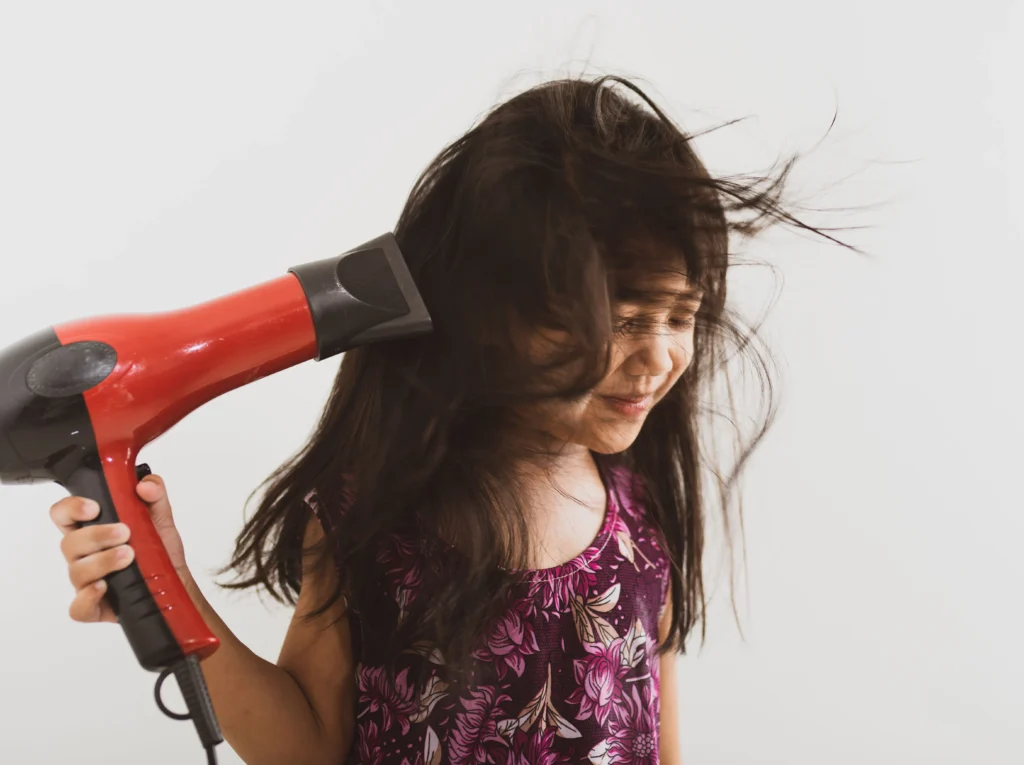
Heat styling is one of the biggest enemies of long-lasting hair color, but that doesn’t mean you have to give up your blow dryer or curling iron entirely. The key is using heat wisely and always protecting your hair. High temperatures can break down color molecules and cause them to fade faster. They also damage the hair cuticle, making it easier for color to escape. If you must use heat tools, keep the temperature as low as possible while still achieving your desired style—usually between 300-350°F is sufficient for most hair types.
Heat protectant spray is non-negotiable. These products create a thermal barrier between your hair and hot tools, reducing damage and helping color last longer. Look for formulas that also contain UV filters and conditioning agents for added protection. Apply evenly to damp or dry hair before using any heat tool, making sure to cover all sections. Don’t skimp on application—your hair needs adequate coverage to be truly protected.
Consider air-drying whenever possible. Embracing your natural texture not only prevents heat damage but also helps maintain color vibrancy. If you do blow-dry, use a diffuser attachment on low heat and speed settings to minimize damage. For special occasions when you want polished styles, check out these Hollywood Waves Hairstyles that can be achieved with minimal heat or overnight setting techniques. The less heat you use overall, the longer your color will last.
UV Protection for Your Hair Color
Sun exposure is a major cause of color fade that many people overlook. UV rays break down the chemical bonds in hair dye just like they damage your skin, causing color to oxidize and fade. This is especially problematic for color-treated hair, which is already more vulnerable than natural hair. Protecting your hair from UV damage is essential for anyone serious about how to make hair color last longer, particularly during summer months or if you spend a lot of time outdoors.
Hair products with UV filters are your first line of defense. Many leave-in conditioners, serums, and styling products now include SPF protection specifically for hair. These create a protective shield that blocks harmful UV rays. Look for products containing ingredients like benzophenone-4 or ethylhexyl methoxycinnamate, which are effective UV filters for hair. Apply these products before going outside, and reapply if you’re spending extended time in the sun or swimming.
Physical protection is equally important. Wearing a hat, scarf, or headband when you’re in direct sunlight provides the best protection. Wide-brimmed hats are particularly effective, shielding not just your hair but also your scalp and face. If you’re at the beach or pool, consider wearing a swim cap or keeping your hair up and covered. For those who want to showcase their color while protecting it, these prom hairstyles for long hair can be adapted into elegant updos that minimize sun exposure while looking stunning.
Swimming and Chlorine: Protecting Your Color
Chlorine and salt water are notorious for stripping hair color, but you don’t have to avoid swimming altogether. The key is taking preventive measures before, during, and after your swim. Chlorine is particularly damaging because it’s designed to kill bacteria and break down organic matter—unfortunately, that includes the organic compounds in your hair dye. Salt water is equally problematic, as it dehydrates hair and makes the cuticle rough, allowing color to escape more easily.
Before swimming, wet your hair with fresh water and apply a leave-in conditioner or hair oil. Hair that’s already saturated with clean water will absorb less chlorinated or salt water. Some people swear by applying a small amount of coconut oil before swimming, as it creates a protective barrier. You can also wear a swim cap, though this isn’t always practical or comfortable for everyone. If you do wear one, make sure your hair is completely dry underneath to prevent breakage.
After swimming, rinse your hair immediately with fresh water, then wash with a clarifying or swimmer’s shampoo designed to remove chlorine and minerals. Follow with a deep conditioning treatment to restore moisture. For regular swimmers, consider using a chelating shampoo once a week to remove mineral buildup that can dull color. If you’re planning a beach vacation and want to protect your color while still looking fabulous, explore these braided prom hairstyles that work perfectly as protective beach styles too.
The Role of Water Quality in Color Fading
Hard water is a silent killer of hair color that many people don’t consider. Hard water contains high levels of minerals like calcium, magnesium, and iron that can build up on hair, creating a barrier that prevents moisture and nutrients from penetrating. These minerals can also react with hair dye, causing color to fade faster or change tone. If you live in an area with hard water, you might notice your color fading more quickly despite following all the right hair color aftercare tips.
Installing a shower filter is one of the best investments you can make for color-treated hair. These filters remove chlorine, heavy metals, and other impurities from your water, creating a gentler environment for your color. They’re relatively inexpensive and easy to install—simply screw onto your existing showerhead. Many people notice a difference in hair texture and color longevity within just a few weeks of using filtered water.
If a shower filter isn’t an option, you can still minimize hard water damage. Use a clarifying shampoo once a week to remove mineral buildup, followed by a deep conditioning treatment. Look for shampoos specifically formulated for hard water, which contain chelating agents that bind to minerals and wash them away. You can also do a final rinse with bottled or filtered water to remove any remaining minerals before styling. These small adjustments can significantly impact how long your color lasts.
Professional Treatments That Extend Color Life
While at-home care is crucial, professional treatments can take your color longevity to the next level. Gloss or glaze treatments are among the most effective options for maintaining vibrancy between color appointments. These semi-permanent treatments deposit a thin layer of color and shine onto the hair, refreshing your existing color and adding dimension. They typically last 4-6 weeks and can be done in-salon or with at-home kits. Gloss treatments are particularly beneficial for preventing hair color fading because they seal the cuticle and add a protective layer.
Keratin treatments and bond-building services like Olaplex or K18 can also extend color life by strengthening hair from within. When hair is strong and healthy, it holds color better. These treatments repair damage at the molecular level, reducing porosity and preventing color molecules from escaping. While they’re an additional investment, they can actually save you money in the long run by extending time between color appointments and reducing the need for corrective color.
Regular salon visits for toning can keep your color looking fresh. Even if you’re not ready for a full color appointment, a quick toner can neutralize brassiness and refresh your shade. Many salons offer express toning services that take 20-30 minutes and cost significantly less than a full color. For those wanting to maintain their color while experimenting with different looks, these prom hairstyles for short hair can be styled in various ways to keep your look fresh between salon visits.
Diet and Nutrition for Healthy, Color-Retaining Hair
What you eat affects your hair color longevity more than you might think. Healthy hair starts from within, and certain nutrients are essential for maintaining strong, vibrant color-treated hair. Protein is crucial since hair is made primarily of keratin, a protein. Adequate protein intake helps maintain hair strength and prevents breakage that can make color look dull. Aim for lean meats, fish, eggs, beans, and nuts in your diet.
Omega-3 fatty acids found in fatty fish, flaxseeds, and walnuts help keep hair moisturized from the inside out, preventing the dryness that can make color fade faster. Vitamins A, C, and E are powerful antioxidants that protect hair from oxidative stress and environmental damage. Biotin, found in eggs, almonds, and sweet potatoes, supports overall hair health and can improve the quality of color-treated hair. Iron and zinc are also important, as deficiencies can lead to hair loss and dullness.
Staying hydrated is equally important. Dehydrated hair is more prone to breakage and color fade. Drink plenty of water throughout the day and consider using a hydrating hair mask weekly. While supplements can help fill nutritional gaps, it’s always best to get nutrients from whole foods when possible. If you’re considering supplements, consult with a healthcare provider first, especially if you have underlying health conditions or take medications.
Common Mistakes That Fade Hair Color
Even with the best intentions, certain habits can sabotage your efforts to make hair color last longer. One of the most common mistakes is over-washing. While clean hair feels good, washing daily strips away natural oils and color molecules. If you must wash daily due to exercise or lifestyle, use a gentle, sulfate-free shampoo and focus only on the scalp, letting the suds clean the lengths as they rinse out.
Using the wrong products is another major issue. Drugstore shampoos with harsh sulfates, high alcohol content, or incorrect pH levels can fade color quickly. Always invest in quality, color-safe products. Skipping conditioner is also detrimental—conditioner seals the cuticle and locks in color, so never skip this step. Another mistake is brushing wet hair aggressively, which can damage the cuticle and cause color to fade. Use a wide-tooth comb on wet hair and start from the ends, working your way up gently.
Applying too much heat or using heat tools without protection will rapidly fade color. Even if you’re in a hurry, never skip the heat protectant. Over-processing hair with multiple chemical treatments in a short timeframe can also cause severe damage and color fade. Space out coloring, perming, relaxing, or bleaching appointments by at least 6-8 weeks to give your hair time to recover. For special events where you want your color to look its best, these elegant prom hairstyles showcase well-maintained color beautifully.
Creating a Weekly Hair Color Maintenance Routine
Establishing a consistent weekly routine is key to preventing hair color fading and maintaining vibrancy. Here’s a sample schedule that incorporates all the essential hair color aftercare tips: Monday – Wash with color-safe shampoo and conditioner, apply leave-in treatment. Tuesday – Refresh with dry shampoo if needed, apply hair oil to ends. Wednesday – Co-wash (conditioner-only wash) or use dry shampoo. Thursday – Wash with regular color-safe shampoo, use purple or color-depositing shampoo if needed for toning. Friday – Dry shampoo or skip washing. Saturday – If needed, gentle wash with sulfate-free shampoo. Sunday – Deep conditioning treatment for 20 minutes, followed by regular conditioner.
Adjust this routine based on your hair type and lifestyle. If you have oily hair, you might need to wash more frequently, while those with dry hair can stretch time between washes. The key is consistency—your hair thrives on routine. Keep a hair care journal if needed, noting what products work best and how your color is holding up. This helps you identify what’s working and what needs adjustment.
Monthly, incorporate a clarifying treatment to remove buildup, followed by an intensive deep conditioning mask. Every 6-8 weeks, schedule a salon visit for a gloss treatment or toner refresh. Track your color’s performance and adjust your routine seasonally—summer might require more UV protection and moisture, while winter might need extra hydration to combat dry indoor heating. This proactive approach to how to make hair color last longer ensures your investment stays vibrant as long as possible.