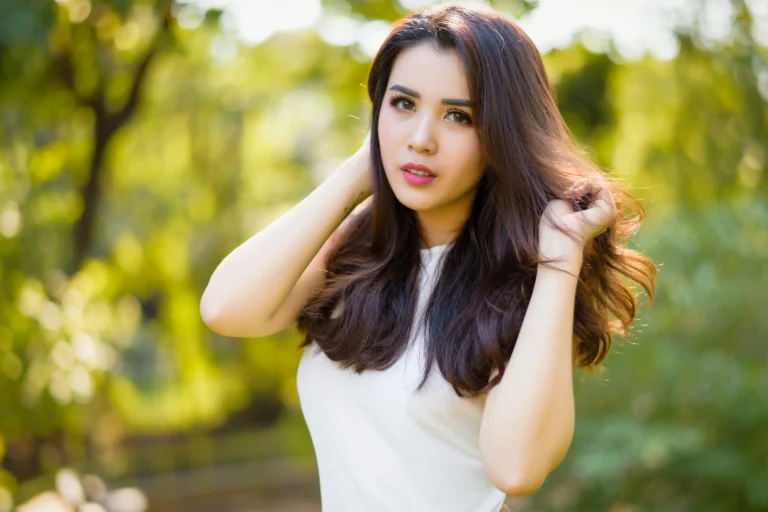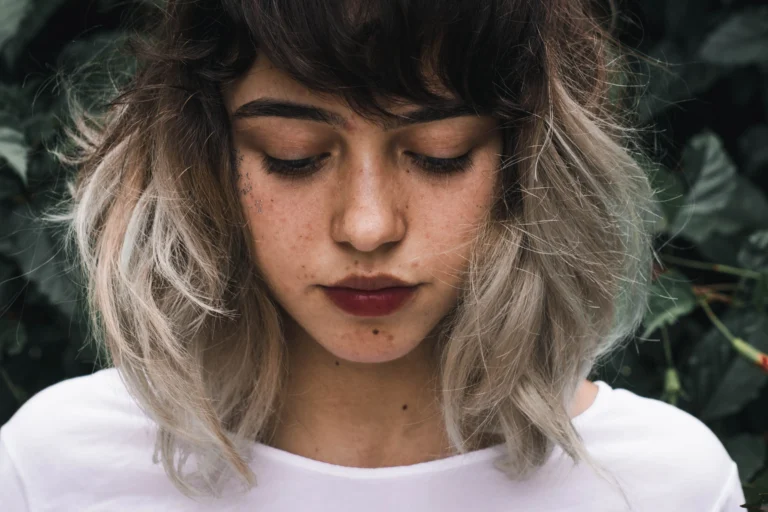

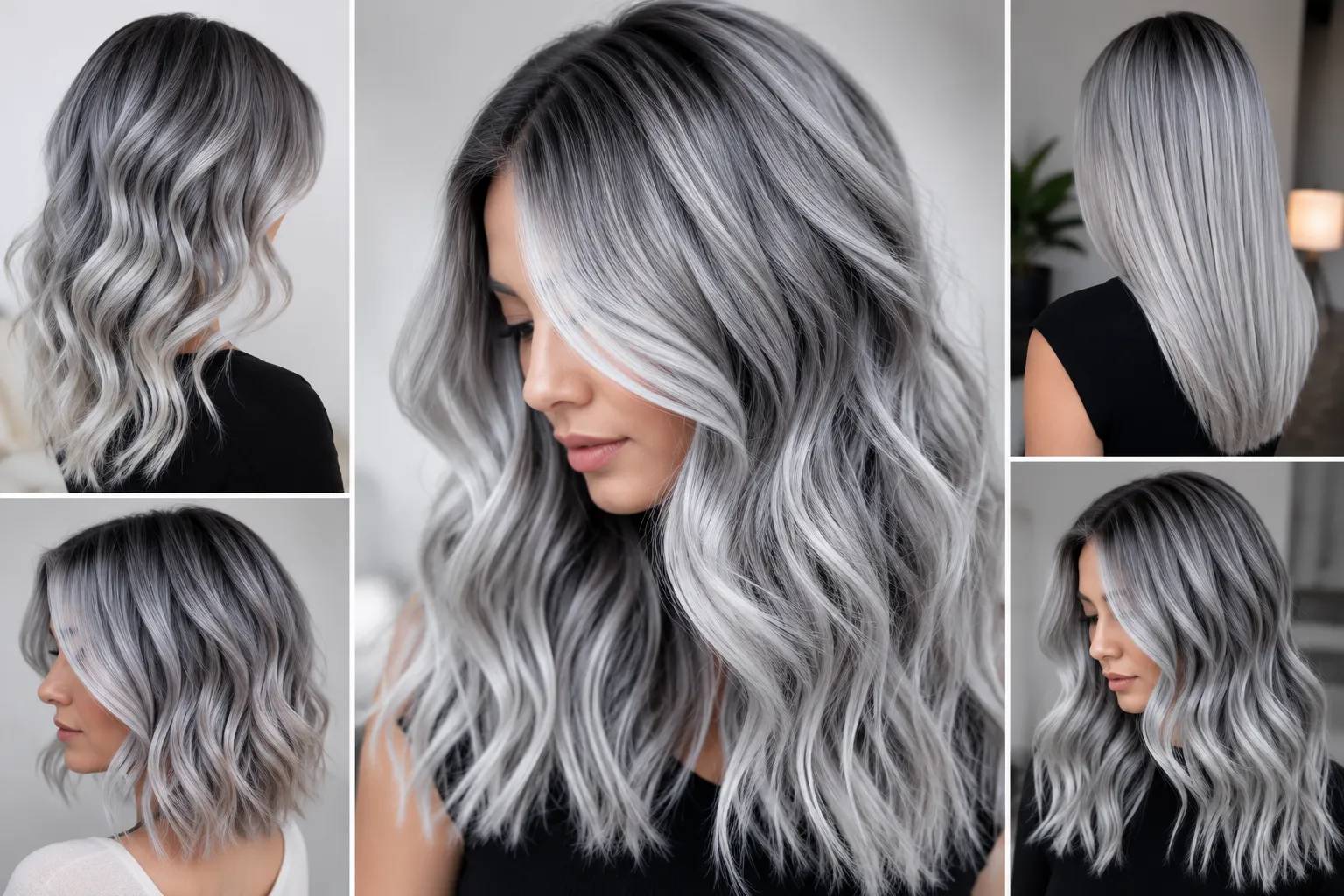
Gray silver hair color ideas range from icy platinum to smoky pewter tones. Whether you’re going gray gracefully or dyeing for the trend, options include salt-and-pepper blends, metallic silver, ash gray balayage, and gunmetal shades. Maintenance requires purple shampoo, regular toning, and deep conditioning to keep strands vibrant and healthy-looking.
Save This on Pinterest!
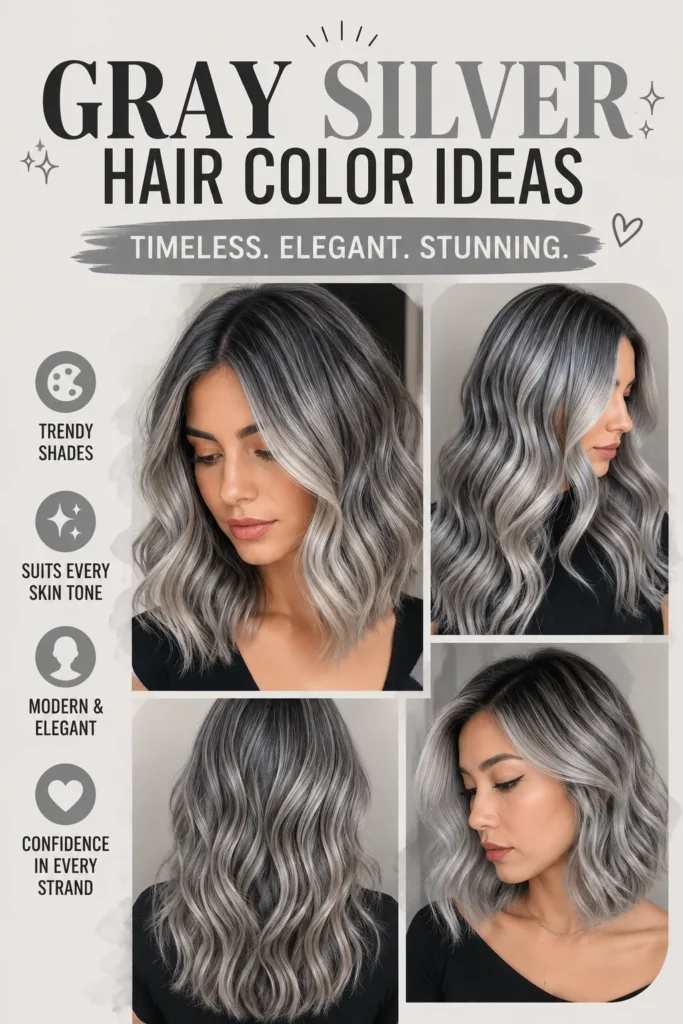
No time to read this gray silver hair color ideas? Click on the save button and pin it for later!
Before starting, we’ve got some other related setups articles about home office setups, take a look:
- Ultimate Hair Care Routine for Every Hair Type (2026 Guide)
- 10 Hair Care Mistakes Damaging Your Hair (And How to Fix Them)
- 15 Hair Care Tips for Healthy, Strong, and Shiny Hair
- How to Make Your Hair Color Last Way Longer (Stylists Swear by These Tips)
Why Gray and Silver Hair Is Having a Major Moment
Gray hair isn’t just for grandmas anymore — it’s a full-on style statement that’s redefining cool across all age groups. The silver hair color women are embracing today represents more than just aging; it’s a powerful fashion choice that celebrates authenticity and breaks beauty stereotypes. From runway models to Hollywood stars, the pewter hair color trend has taken hold as one of the most sought-after looks in modern beauty.
What makes gray silver hair color ideas so appealing is their versatility. Whether you’re naturally transitioning or dyeing for the aesthetic, there’s a shade that works for everyone. The trend has gained momentum thanks to the inclusivity and anti-ageism movement, making silver strands acceptable and even celebrated for women in their 30s, 40s, and beyond. This shift represents a cultural change where gray is no longer something to hide but something to showcase with pride.
The beauty industry has responded with innovative products specifically designed for gray and silver hair. Purple shampoos, toning conditioners, and specialized treatments now make it easier than ever to maintain that perfect cool-toned shade. Going gray gracefully has evolved from a necessity into a deliberate style choice, with countless women choosing to embrace their natural texture and color rather than fight it with constant dyeing.
Stunning Gray Silver Hair Color Ideas to Try
Icy Platinum Silver
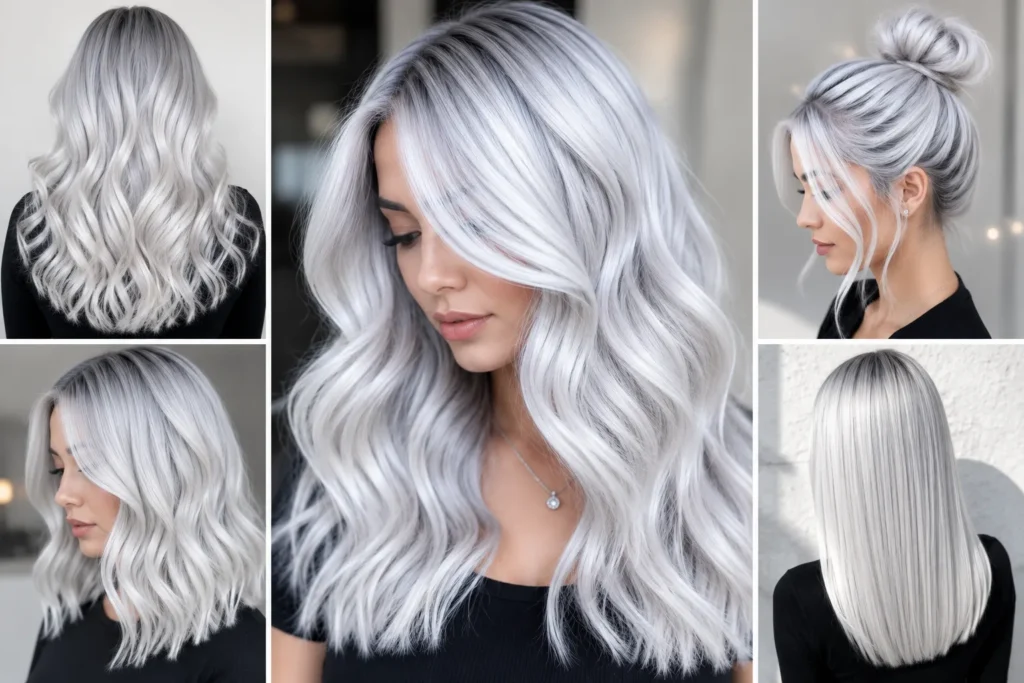
Platinum silver represents the pinnacle of cool-toned hair color. This almost-white shade requires commitment but delivers head-turning results. Achieving this look typically involves bleaching to a very light blonde base, then toning with silver to eliminate any yellow or brassy undertones. The result is a crisp, clean color that looks almost metallic in the right light.
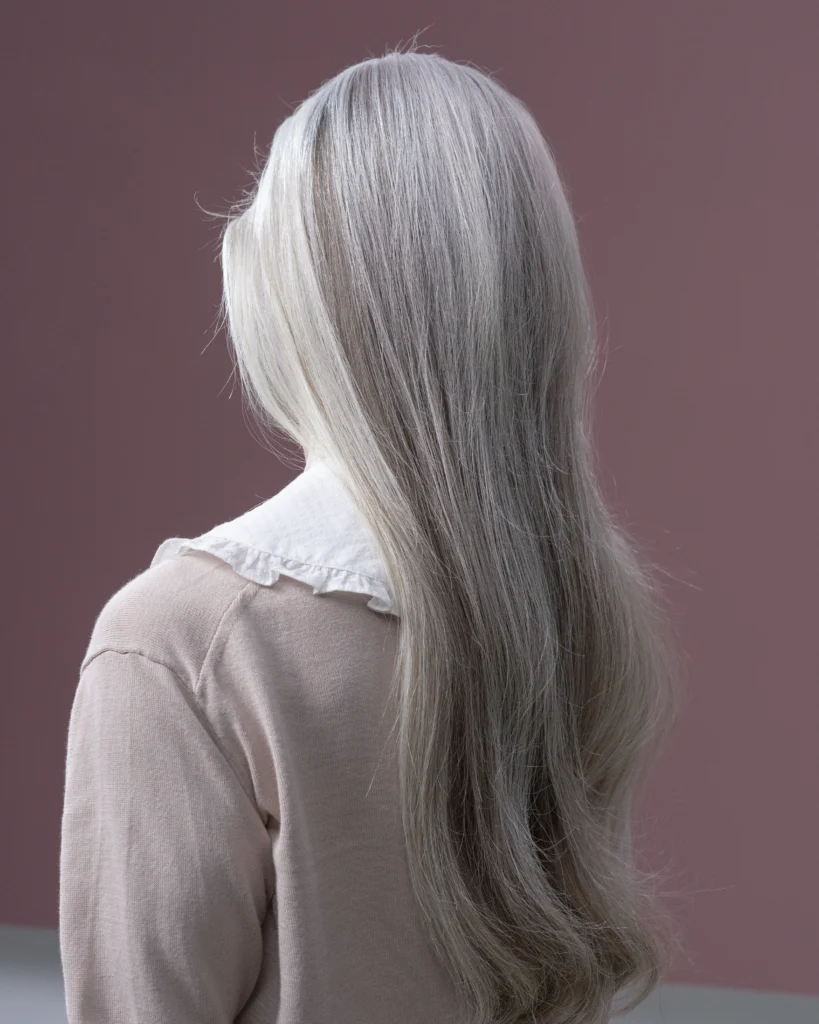
This shade works particularly well for those with cool skin tones and blue or green eyes, as it creates a striking contrast. Maintenance is key — you’ll need to use purple shampoo at least once a week and visit your colorist every 6-8 weeks for toning touch-ups. The good news? This shade looks incredible on various hair lengths, from pixie cuts to long flowing locks. For styling inspiration, check out these Hollywood Waves Hairstyles that showcase dimensional color beautifully.
What makes platinum silver special is its ability to make a bold statement while remaining sophisticated. It’s edgy enough for fashion-forward individuals yet polished enough for professional settings. The key is keeping it healthy-looking with regular deep conditioning treatments, as bleached hair requires extra moisture to maintain its shine and prevent brittleness.
Smoky Pewter Tones
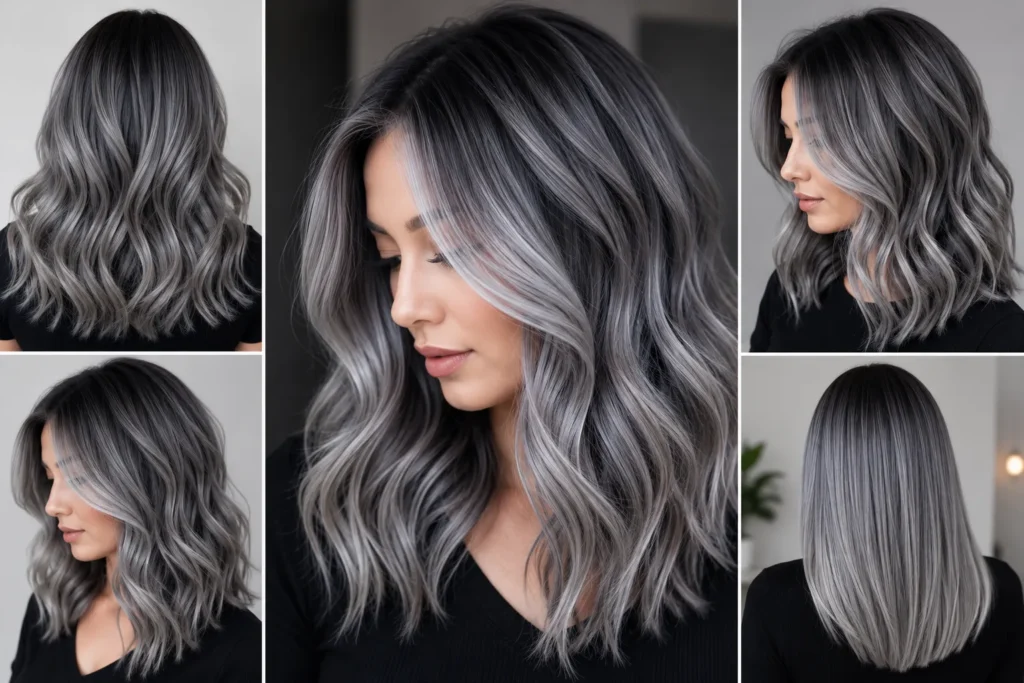
Pewter hair color sits beautifully between dark gray and silver, creating a sophisticated, industrial-inspired look. This metallic shade combines deep charcoal tones with cool silver undertones, resulting in a multidimensional color that shifts in different lighting. Unlike brighter silvers, pewter is more subdued and natural-looking, making it perfect for those wanting to dip their toes into the gray hair trend without going full platinum.
The pewter hair color trend has gained serious traction because it’s incredibly flattering on a wide range of skin tones. It’s particularly stunning on those with olive or medium complexions, as the cooler tones provide beautiful contrast without washing you out. This shade can be achieved through various techniques — from all-over color to balayage or highlights blended into darker bases.
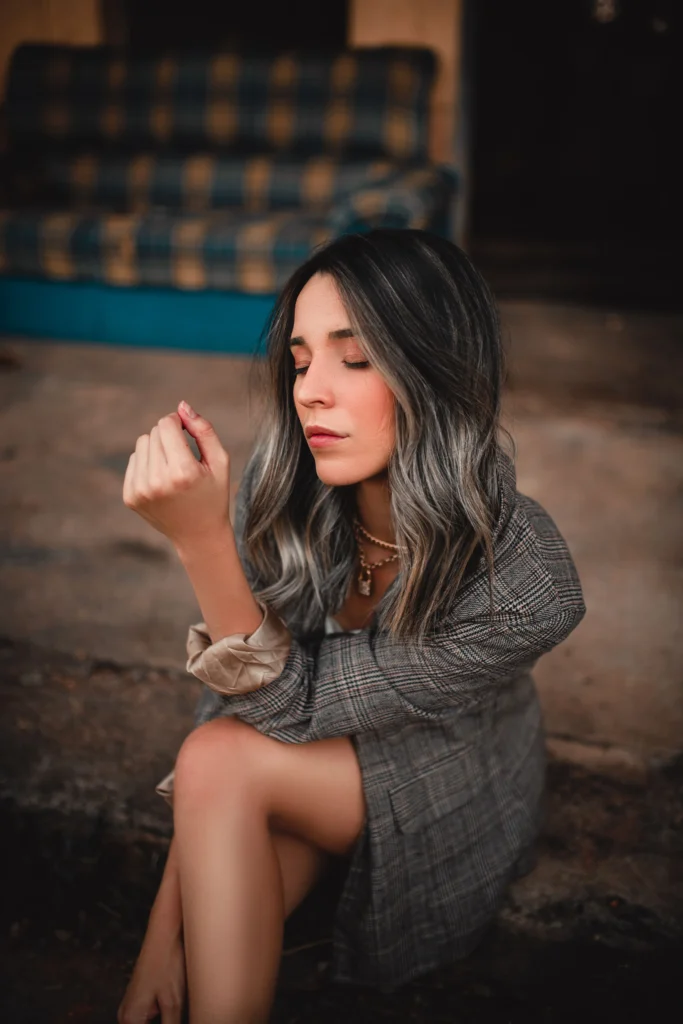
What sets pewter apart from other gray shades is its depth and richness. It doesn’t require the extreme lightening that platinum does, making it less damaging to hair. The color typically lasts longer between touch-ups and fades more gracefully than lighter silvers. For those with naturally darker hair considering going gray, pewter offers a more achievable transition that still delivers on the trend.
Our Read How to Choose the Right Hair Color for Your Skin Tone (No More Guessing!)
Salt-and-Pepper Perfection
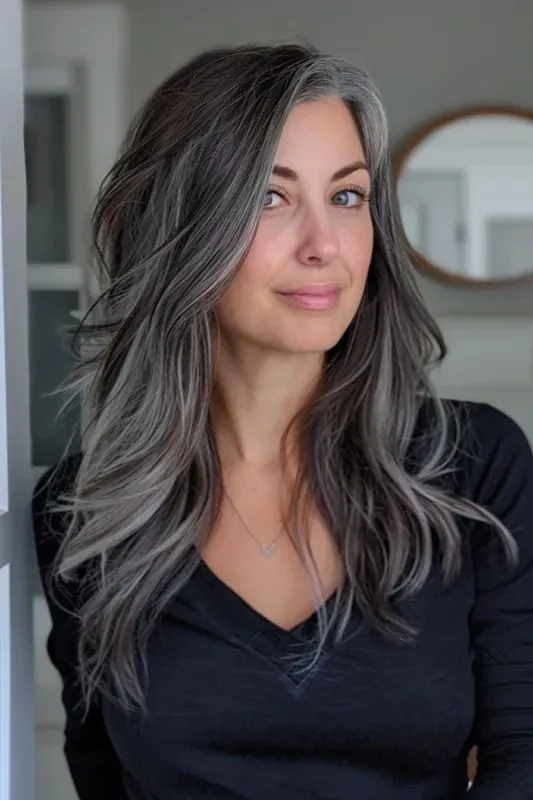
Salt-and-pepper hair looks represent the natural blend of dark and gray strands that occurs during the aging process. Rather than fighting this transition, more women are embracing it as a badge of honor. This speckled, lived-in look creates natural dimension that’s impossible to replicate artificially. The mix of black or dark brown with white and silver strands creates a multi-tonal effect that’s both sophisticated and effortlessly cool.
Going gray gracefully with a salt-and-pepper look requires patience if you’re transitioning from colored hair. The process can take 6-12 months as your natural roots grow out. To make the transition smoother, many colorists recommend adding strategic highlights and lowlights throughout the hair to blend the line of demarcation between dyed and natural hair. This creates a more seamless gradient as you grow out your color.
What makes salt-and-pepper hair so appealing is its authenticity. It tells a story and reflects life experience, making it a powerful statement of self-acceptance. The texture of salt-and-pepper hair often appears shinier and more dimensional than solid color, almost like a natural balayage. For those not ready to fully commit, you can achieve a similar look by adding silver highlights to dark hair, creating a peppered effect without going completely gray.
Ash Gray Balayage
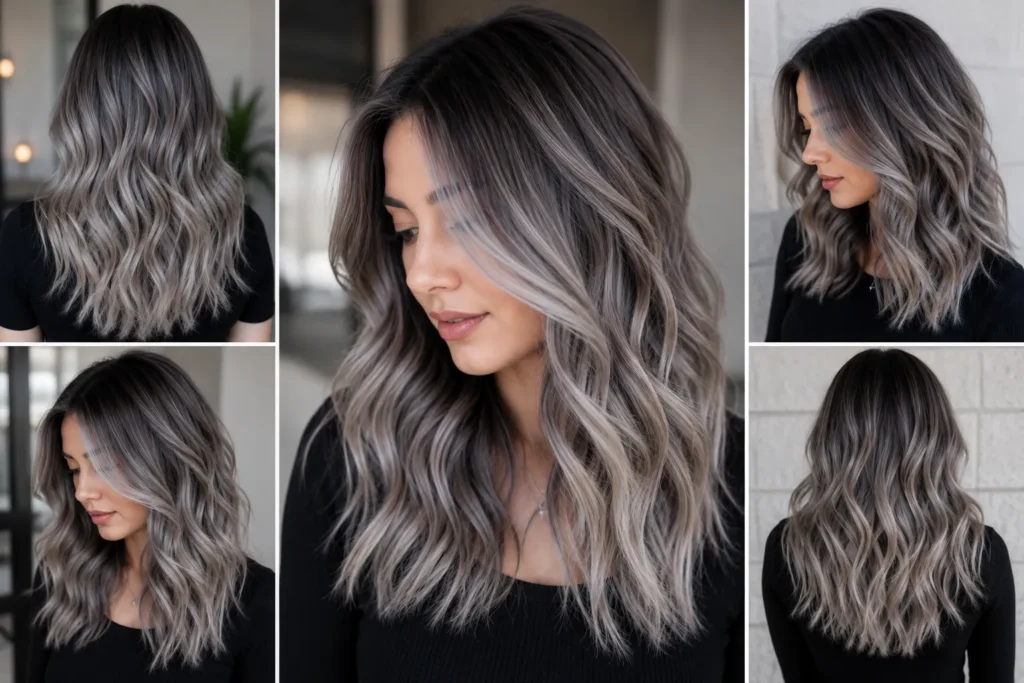
Ash gray balayage offers a soft, natural approach to gray hair that’s perfect for beginners. This technique involves hand-painting lighter gray tones throughout darker bases, creating a sun-kissed effect that grows out beautifully. Unlike traditional highlights, balayage doesn’t create harsh lines, making it ideal for those transitioning to gray or wanting to blend their natural grays with their existing color.
The beauty of ash gray balayage lies in its low-maintenance nature. Because the color is painted on strategically rather than applied at the roots, you can go months between salon visits without obvious regrowth. This makes it perfect for busy women who want the gray hair trend without the upkeep. The technique works on various hair lengths and textures, from straight to curly.
For those interested in styling their balayage for special occasions, these prom hairstyles for long hair demonstrate how dimensional color enhances texture and movement. The ash tones in balayage are particularly flattering because they neutralize warmth, creating a cool, modern look that’s both youthful and sophisticated.
Metallic Gunmetal Gray
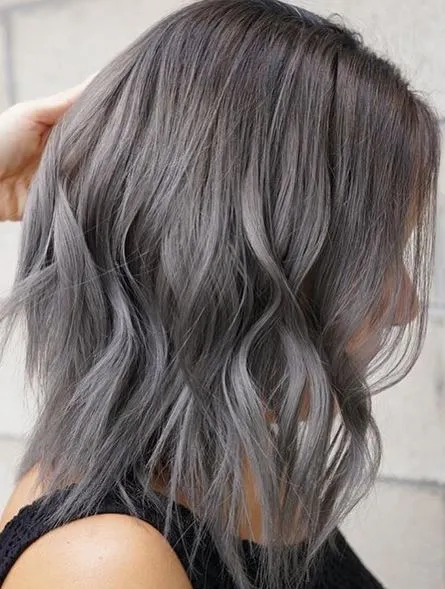
Gunmetal gray represents the darker end of the silver spectrum, offering an edgy, modern take on gray hair. This deep charcoal shade has blue or purple undertones that give it a metallic sheen, making it perfect for those who want gray hair with attitude. It’s less commitment than lighter silvers since it doesn’t require as much bleaching, making it gentler on hair.
This shade is particularly striking when paired with sleek, modern cuts like bobs or lobs. The dark gray color creates a sophisticated backdrop that makes facial features pop. Gunmetal works well for those with naturally darker hair who want to embrace gray without going too light. It’s also an excellent choice for covering grays while still participating in the trend — you get the modern gray look while maintaining a darker, more traditional color.
Maintenance for gunmetal gray is relatively simple compared to lighter silvers. You’ll still want to use color-safe products and occasional toning treatments to prevent brassiness, but the color fades more gracefully and doesn’t show root growth as obviously. For shorter styles that benefit from this edgy color, explore these prom hairstyles for short hair that showcase bold color choices.
Going Gray Gracefully: Tips for the Transition
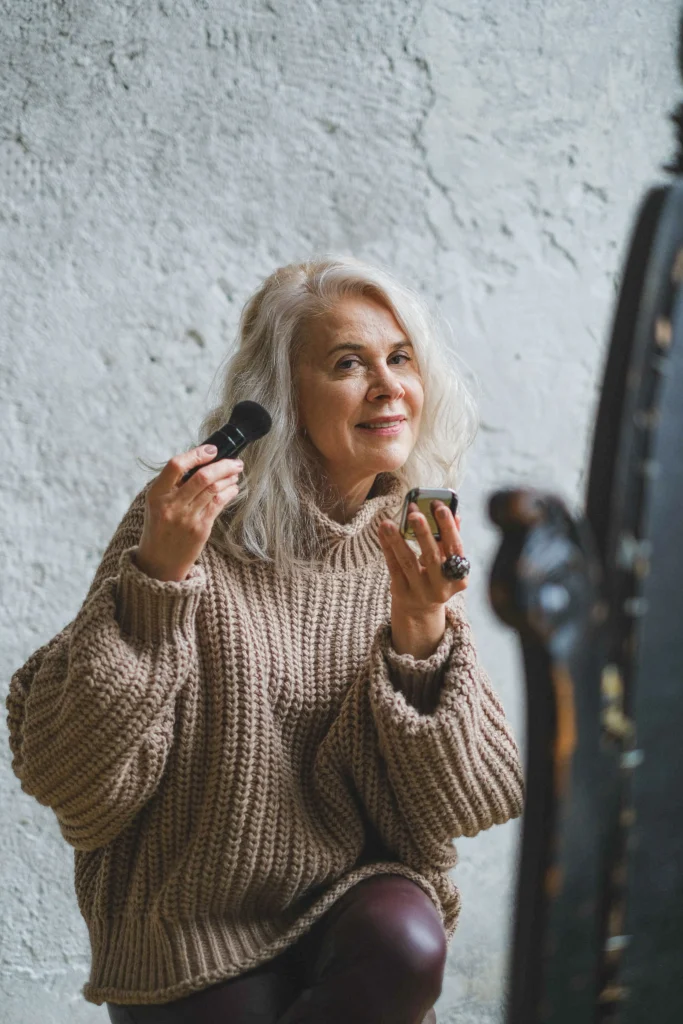
Transitioning to gray hair doesn’t have to be an all-or-nothing proposition. Going gray gracefully is about finding the approach that works for your lifestyle, hair type, and comfort level. The process looks different for everyone — some women choose to cut their hair short and start fresh, while others prefer to grow it out gradually with the help of strategic coloring techniques.
One of the most popular methods is the blend-and-transition approach. This involves adding highlights and lowlights that match both your natural gray and your current color, creating a seamless gradient as your hair grows. A skilled colorist can use techniques like babylights, balayage, or traditional highlights to soften the line of demarcation. This method typically takes 6-12 months but results in a more natural, less jarring transition.
For those who prefer a faster route, the big chop is always an option. Cutting hair short eliminates most of the colored hair, allowing you to start fresh with your natural gray. While dramatic, this approach is often the quickest and healthiest way to transition, as it removes damaged, chemically-treated hair. You can always grow it back longer once your natural gray is established.
Another option is using demi-permanent color to blend grays gradually. Unlike permanent dye, demi-permanent color doesn’t create a harsh root line as it fades. It can be used to tone down the contrast between gray and colored hair, making the transition less noticeable. This is particularly effective for those with less than 50% gray who want to ease into the look.
Best Silver Hair Color for Women Over 40
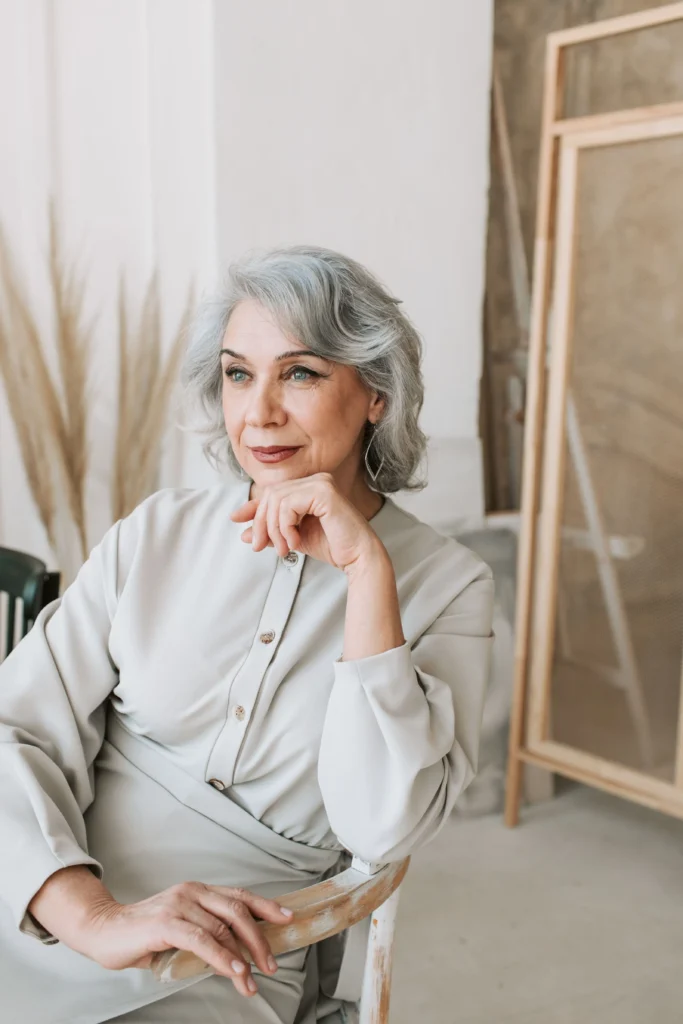
Silver hair color for women over 40 has evolved from something to avoid into a celebrated style choice. The key is choosing the right shade and technique for your skin tone, lifestyle, and hair condition. Not all silvers are created equal — what works for a 25-year-old fashion blogger might not be the most flattering choice for a professional woman in her 40s or 50s.
Warm skin tones look stunning with beige silver or champagne-toned grays that have subtle golden undertones. These shades prevent the washed-out look that can occur with cool-toned silvers on warm complexions. Cool skin tones, on the other hand, can pull off icy platinum, steel gray, and blue-toned silvers beautifully. The cool tones complement pink or ruddy undertones in the skin, creating a harmonious overall look.
For women over 40, dimension is key to maintaining a youthful appearance. Flat, one-dimensional gray can sometimes age you prematurely, while multi-tonal color with highlights and lowlights creates depth and movement. Techniques like balayage, babylights, or even subtle peekaboo color can add interest without being too trendy. The goal is to enhance your natural beauty while embracing the gray.
Texture also plays a crucial role. Gray hair tends to be coarser and drier than pigmented hair, so choosing cuts and styles that work with your texture is essential. Layered cuts add volume and movement, while blunt cuts create a sleek, modern look. For braided styles that showcase color beautifully, these braided prom hairstyles work wonderfully with silver and gray tones.
Maintaining Your Gray and Silver Hair
Once you’ve achieved your perfect gray or silver shade, maintenance becomes crucial for keeping it looking fresh and vibrant. Gray hair requires different care than pigmented hair — it’s typically drier, more porous, and prone to yellowing or brassiness. Developing a proper hair care routine is essential for maintaining that cool, crisp tone.
Purple shampoo is your new best friend. This specialized product contains violet pigments that neutralize yellow and brassy tones that naturally develop in gray and silver hair. Use it once or twice a week, leaving it on for 3-5 minutes before rinsing. Be careful not to overuse it, as too much purple shampoo can actually give hair a violet tint. Alternate with a moisturizing, sulfate-free shampoo designed for color-treated hair.
Deep conditioning is non-negotiable. Gray hair produces less natural oil, making it prone to dryness and brittleness. Use a deep conditioning mask or hair oil treatment at least once a week to maintain moisture levels. Look for products containing ingredients like argan oil, keratin, or shea butter that nourish and strengthen hair. Regular trims every 6-8 weeks also help prevent split ends and keep your color looking fresh.
Heat protection is crucial when styling gray hair. Bleached or color-treated hair is more susceptible to heat damage, which can cause discoloration and further dryness. Always use a heat protectant spray before blow-drying, curling, or straightening. Additionally, protect your hair from UV rays by wearing hats or using UV-protective hair products, as sun exposure can cause gray hair to turn yellow or brassy.
The Pewter Hair Color Trend Explained
Pewter hair color has emerged as one of the most sophisticated entries in the gray hair spectrum. This metallic shade mimics the appearance of darkened, silvery-gray metal, combining deep charcoal tones with cool silver and sometimes subtle blue undertones. It’s the perfect middle ground for those who want the gray hair trend without committing to bright silver or platinum.
What makes pewter so appealing is its versatility. It works on various skin tones and doesn’t require the extreme lightening that lighter silvers demand. This makes it less damaging to hair and more achievable for those with naturally darker bases. The color can be applied as an all-over shade, blended through balayage, or used as lowlights to add dimension to darker hair.
The maintenance for pewter hair is relatively straightforward. While you’ll still need to use color-safe products and occasional toning treatments, the darker shade means brassiness is less noticeable than with lighter silvers. Touch-ups are typically needed every 8-10 weeks, and the color fades gracefully, often developing into a softer gray that still looks intentional and stylish.
Pewter is particularly stunning when paired with the right makeup. Cool-toned eyeshadows, berry lips, and defined brows complement the metallic shade beautifully. The color also photographs exceptionally well, making it popular among influencers and those who love sharing their looks on social media. It’s modern enough to feel fresh but classic enough to remain timeless.
Salt and Pepper Hair Looks We Love
Salt-and-pepper hair has transcended its reputation as just a sign of aging to become a coveted style in its own right. This natural blend of dark and gray strands creates a dimensional, textured look that’s impossible to perfectly replicate artificially. More women are choosing to embrace their natural salt-and-pepper rather than cover it, seeing it as a symbol of confidence and authenticity.
The beauty of salt-and-pepper hair lies in its uniqueness. No two people have the exact same pattern or ratio of gray to dark hair, making it a truly personal look. Some have more salt than pepper, with predominantly gray hair speckled with darker strands. Others have more pepper, with dark hair gradually being overtaken by silver. Both variations are equally stunning when styled properly.
Styling salt-and-pepper hair requires embracing texture. The different colored strands often have slightly different textures, with gray hairs being coarser and more wiry. This can actually work in your favor, creating natural volume and body. Embrace your natural texture with air-drying, diffusing, or texturizing products that enhance the multi-dimensional effect. Avoid over-styling, which can flatten the natural movement that makes salt-and-pepper so beautiful.
For those not ready to fully commit to natural salt-and-pepper, you can achieve a similar look through coloring techniques. Adding silver or gray highlights to dark hair creates a peppered effect, while lowlights in naturally gray hair can add depth and dimension. This allows you to control the ratio and placement of gray, creating a customized version of the trend.
How to Style Gray Hair for Maximum Impact
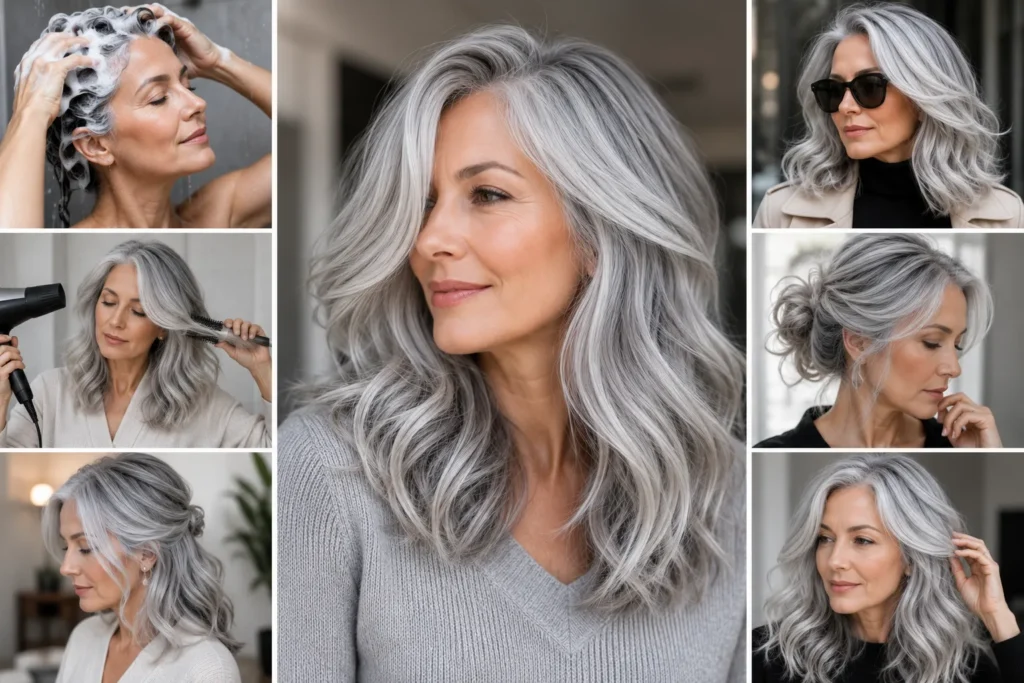
Styling gray hair requires understanding its unique properties and working with them rather than against them. Gray hair tends to be coarser, drier, and more resistant to styling than pigmented hair, but with the right techniques and products, it can look absolutely stunning. The key is choosing styles that enhance the natural beauty of silver strands while maintaining hair health.
Sleek, polished styles work beautifully on gray hair, particularly for professional settings. A smooth blowout with a round brush creates volume and shine, while flat ironing can achieve a glass-like finish that makes gray hair look incredibly luxurious. Use a heat protectant and finishing serum to add shine and control frizz. The contrast between the cool silver tone and sleek texture creates a sophisticated, modern look.
On the other end of the spectrum, embracing natural texture can be equally stunning. Gray hair often has more body and texture than pigmented hair, making it perfect for voluminous styles, waves, or curls. Use a diffuser to enhance natural curl patterns or create loose waves with a curling iron. Texturizing sprays and sea salt sprays can add grip and definition, making styles last longer while enhancing the dimensional quality of gray hair.
Updos and braids showcase gray hair beautifully, particularly for special occasions. The different tones in gray hair create natural dimension in braided styles, while updos allow you to display the full spectrum of your color. For elegant event styling, explore these elegant prom hairstyles that work wonderfully with silver and gray tones. The key is keeping hair healthy and well-moisturized so it looks polished rather than dry or frizzy.
Embracing Natural Gray vs. Dyed Silver
The decision between embracing natural gray and dyeing silver is deeply personal and depends on various factors including your starting color, hair condition, budget, and desired look. Both approaches have their advantages and challenges, and understanding the differences can help you make the best choice for your situation.
Natural gray hair is the result of your hair follicles producing less melanin as you age. This process happens gradually and differently for everyone. The advantage of going natural is that it requires no chemical processing, making it the healthiest option for your hair. It’s also more affordable since you’re not paying for regular salon appointments. However, the transition can be lengthy and the initial stages may feel awkward as you grow out colored hair.
Dyed silver hair offers immediate results and complete control over the shade and tone. You can achieve a uniform, cool silver that might not occur naturally, or add silver tones to enhance your natural gray. The downside is that achieving silver typically requires bleaching, which can damage hair, and maintaining the color requires regular salon visits and specialized products. It’s also more expensive than letting nature take its course.
Many women choose a hybrid approach, using color to enhance and blend their natural gray rather than covering it completely. This might involve adding highlights to brighten dull grays, using toner to neutralize yellow tones, or incorporating lowlights to add depth. This approach gives you the best of both worlds — the health benefits of embracing natural gray with the polish and control of professional coloring.
Our Read The Best Brunette Hair Color Ideas for Every Skin Tone and Style
Gray Hair Care Essentials
Proper care is essential for keeping gray hair looking its best. Gray and silver hair has different needs than pigmented hair, requiring specialized products and routines to maintain its health, shine, and color. Investing in the right products and establishing good habits can make the difference between dull, brassy gray and vibrant, luminous silver.
Essential products for gray hair include purple or blue shampoo to neutralize yellow and brassy tones, a moisturizing conditioner to combat dryness, and a deep conditioning mask for weekly treatments. Leave-in conditioners or hair oils help manage frizz and add shine, while heat protectants are crucial for preventing damage during styling. Look for products specifically formulated for gray, silver, or color-treated hair, as they contain ingredients that address the unique needs of non-pigmented strands.
Beyond products, lifestyle factors affect gray hair health. Diet plays a role — foods rich in omega-3 fatty acids, vitamins B12 and D, and antioxidants support hair health from the inside out. Staying hydrated is crucial, as dehydrated hair looks dull and feels rough. Protecting hair from environmental stressors like sun, chlorine, and hard water prevents discoloration and damage. Consider installing a shower filter if you have hard water, as minerals can cause gray hair to turn yellow or brassy.
Regular salon visits are important even for natural gray hair. Professional toning treatments can keep gray hair looking fresh and vibrant, while trims prevent split ends and breakage. A skilled colorist can also help blend grays, add dimension, or correct any discoloration issues. Even if you’re embracing natural gray, having a professional assess your hair health and provide personalized advice is invaluable.
Celebrity Gray Hair Inspiration
Celebrities have played a huge role in normalizing and glamorizing gray hair. From Hollywood legends to modern influencers, countless women are showcasing their silver strands on red carpets, social media, and in magazines. These celebrity looks provide endless inspiration for those considering going gray or looking for fresh ways to style their existing gray hair.
Icons like Helen Mirren and Jamie Lee Curtis have been rocking their natural gray for years, proving that silver hair can be sophisticated, sexy, and ageless. Their confidence has inspired millions of women to embrace their natural color rather than fight it. Younger celebrities like Cara Delevingne and Ciara have experimented with dyed silver, bringing the trend to a new generation and showing that gray hair isn’t just about aging — it’s about style.
Social media has amplified the gray hair movement, with influencers and everyday women sharing their transitions and styling tips. Hashtags like #grombre (gray ombre) and #grannyhair have millions of posts, creating communities of support and inspiration. These platforms have democratized beauty standards, showing that gray hair comes in countless variations and can be styled in endless ways.
What these celebrity examples teach us is that gray hair is what you make it. It can be sleek and sophisticated or edgy and bold. It can be worn long or short, straight or curly, natural or enhanced with color. The key is finding what makes you feel confident and beautiful, then owning it with the same conviction as these style icons.
Common Gray Hair Myths Debunked
Despite gray hair’s growing popularity, many myths and misconceptions persist. These outdated beliefs can prevent women from embracing their natural color or trying the gray hair trend. Let’s set the record straight on some of the most common gray hair myths.
Myth #1: Gray hair makes you look older. Reality: The right shade and style of gray hair can actually make you look younger and more vibrant. Flat, one-dimensional color or poorly maintained gray can be aging, but multi-tonal silver with the right cut is fresh and modern. It’s about how you wear it, not the color itself.
Myth #2: You have to cut your hair short when it goes gray. Reality: Length has nothing to do with whether gray hair looks good. Long gray hair can be absolutely stunning when properly cared for and styled. The key is maintaining healthy, shiny strands and choosing cuts that work with your texture, regardless of length.
Myth #3: Gray hair is coarse and unmanageable. Reality: While gray hair can be coarser due to reduced oil production, it’s not unmanageable. With proper moisturizing, the right products, and good styling techniques, gray hair can be just as smooth and manageable as pigmented hair. It just requires a slightly different routine.
Myth #4: You can’t go gray if you have dark hair. Reality: While the transition may take longer, anyone can go gray regardless of their natural color. Techniques like balayage, highlights, and gradual blending make the transition smoother for those with dark hair. It may require patience and professional help, but it’s absolutely achievable.
Choosing the Right Gray Shade for Your Skin Tone
Selecting the perfect gray shade isn’t just about personal preference — it’s about finding a tone that complements your skin’s undertones and enhances your natural features. The right shade can make your skin glow and your eyes pop, while the wrong tone can wash you out or create unwanted sallowness.
Understanding your undertone is the first step. Cool undertones (pink, red, or blue) pair beautifully with icy platinum, steel gray, and blue-toned silvers. These cool shades complement the natural coolness in your skin, creating harmony. Warm undertones (yellow, golden, or peachy) look best with beige silver, warm gray, or pewter tones that have subtle golden or brown undertones. These prevent the washed-out look that pure cool silvers can create on warm skin.
Neutral undertones have the most flexibility and can wear both warm and cool gray shades. The key is choosing the intensity — those with lighter skin may prefer softer, more muted grays, while deeper skin tones can pull off bold, bright silvers and stark whites beautifully. Eye color also plays a role — blue and green eyes are enhanced by cool silvers, while brown eyes can handle both warm and cool tones.
If you’re unsure about your undertone, consider the jewelry test. If silver jewelry looks better on you, you likely have cool undertones. If gold is more flattering, you probably have warm undertones. If both look good, you’re likely neutral. When in doubt, consult with a professional colorist who can assess your skin tone and recommend the most flattering gray shades for your complexion.