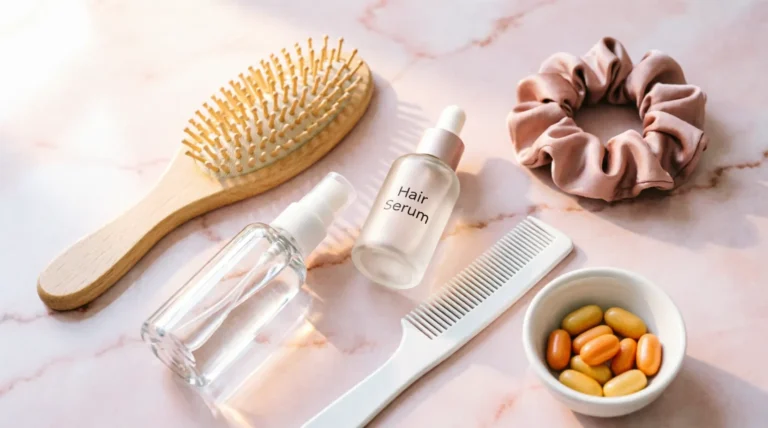

A perfect hair care routine starts with understanding your hair type, using sulfate-free shampoo 2-3 times weekly, conditioning every wash, applying weekly deep treatments, minimizing heat styling, protecting hair at night, and trimming every 6-8 weeks for optimal health.
Save This on Pinterest!
No time to read this hair care routine? Click on the save button and pin it for later!
Before starting, we’ve got some other related articles about hairstyles, take a look:
- Ultimate Hair Care Routine for Every Hair Type (2026 Guide)
- 10 Hair Care Mistakes Damaging Your Hair (And How to Fix Them)
- 15 Hair Care Tips for Healthy, Strong, and Shiny Hair
- Gray Hair Don’t Care: Best Silver & Salt-and-Pepper Hair Looks to Try
Understanding Your Hair Type and Texture
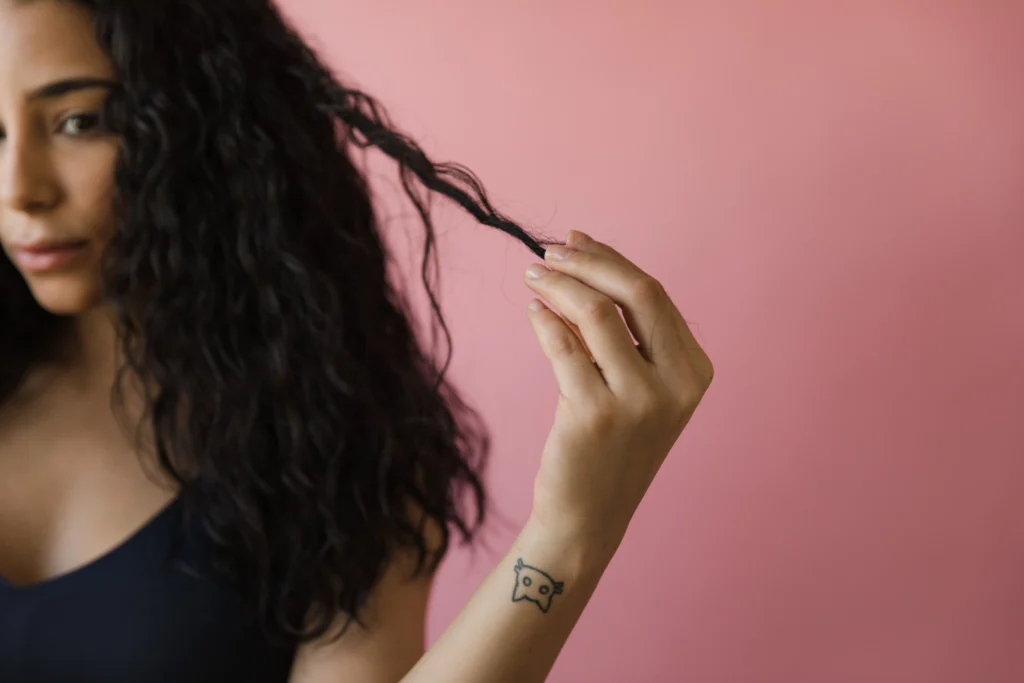
Building an effective hair care routine begins with identifying your specific hair type and texture. Hair types range from straight (Type 1) to wavy (Type 2), curly (Type 3), and coily (Type 4). Each category has subtypes that determine how your hair behaves and what it needs to thrive.
Texture refers to the thickness of individual strands—fine, medium, or coarse. Fine hair requires lightweight products that won’t weigh it down, while coarse hair benefits from richer, more intensive formulations. Understanding these characteristics helps you select products that work with your hair’s natural properties rather than against them.
Porosity is another crucial factor. Low porosityLow-porosity hair has tightly bound cuticles that resist moisture absorption, requiring heat or lighter products.ty hair has gaps in the cuticle, absorbing moisture quickly but losing it just as fast, needing heavier oils and butters to seal in hydration. Medium porosity hair strikes a balance, making it the most versatile and easiest to manage.
Our Read How to Make Your Hair Color Last Way Longer (Stylists Swear by These Tips)
Step 1: Choose the Right Cleansing Schedule
How often you wash your hair significantly impacts its health and appearance. Over-washing strips natural oils, leading to dryness and breakage, while under-washing allows product buildup and scalp issues. The ideal frequency depends on your hair type, lifestyle, and scalp condition.
Fine or oily hair typically needs washing every other day or every two days to maintain freshness. Thick, curly, or coily hair can go 3-7 days between washes since natural oils take longer to travel down the hair shaft. If you exercise daily or live in a humid climate, you may need more frequent cleansing.
Invest in a sulfate-free shampoo that gently cleanses without stripping essential moisture. Sulfates create a rich lather but can be harsh, especially for color-treated or dry hair. Look for ingredients like coco-glucoside or sodium cocoyl isethionate, which provide effective cleansing while maintaining your hair’s natural lipid barrier.
Step 2: Master the Art of Conditioning
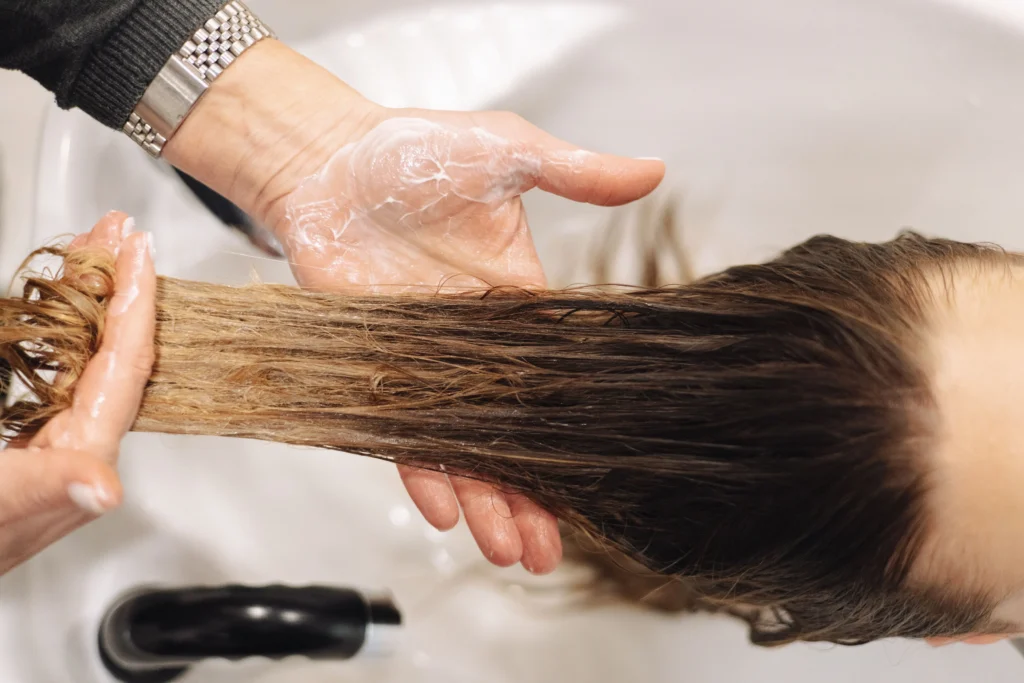
Conditioning is non-negotiable in any healthy hair routine. After shampooing opens the cuticle to remove dirt and oil, conditioning seals it back down, locking in moisture and creating a protective barrier. Always apply conditioner from mid-lengths to ends, avoiding the scalp area where it can cause greasiness.
For daily hair care, use a lightweight conditioner that detangles without weighing hair down. Leave it on for 2-3 minutes before rinsing with cool water to seal the cuticle and enhance shine. If your hair feels particularly dry or damaged, try the “squish to condish” method—scrunching conditioner into soaking wet hair to maximize absorption.
Consider incorporating a leave-in conditioner for extra protection between washes. This is especially beneficial for curly or textured hair that needs continuous moisture. Look for formulas containing natural oils like argan, jojoba, or coconut oil, which provide nourishment without buildup.
Our Read The Best Brunette Hair Color Ideas for Every Skin Tone and Style
Step 3: Implement Weekly Deep Conditioning Treatments
Regular conditioning maintains daily moisture levels, but deep conditioning treatments provide intensive repair and restoration. These hair masks penetrate deeper into the hair shaft, addressing specific concerns like damage, dryness, or lack of elasticity. Make deep conditioning a weekly ritual for noticeable improvements in hair health.
Choose a mask based on your hair’s current needs. Protein treatments strengthen weak, brittle hair but should be used sparingly (once a month) to avoid overload. Moisturizing masks with ingredients like shea butter, honey, or aloe vera work well for dry, frizzy hair. For color-treated hair, opt for masks specifically formulated to preserve vibrancy.
Apply your deep conditioner to clean, towel-dried hair, focusing on the most damaged areas. Cover with a shower cap and apply gentle heat using a warm towel or hooded dryer for 15-30 minutes. The heat opens the cuticle, allowing deeper penetration of nourishing ingredients. Rinse thoroughly with cool water to seal in benefits.
Step 4: Protect Hair from Heat Damage
Heat styling tools are convenient for creating polished looks, but excessive heat causes irreversible damage to the hair’s protein structure. If you regularly use flat irons, curling wands, or blow dryers, implementing protective measures is essential for maintaining a healthy hair routine.
Always apply a heat protectant spray or serum before using any hot tools. These products create a barrier that minimizes direct heat contact with the hair shaft. Look for protectants containing silicones like dimethicone or natural alternatives like argan oil, which can withstand temperatures up to 450°F.
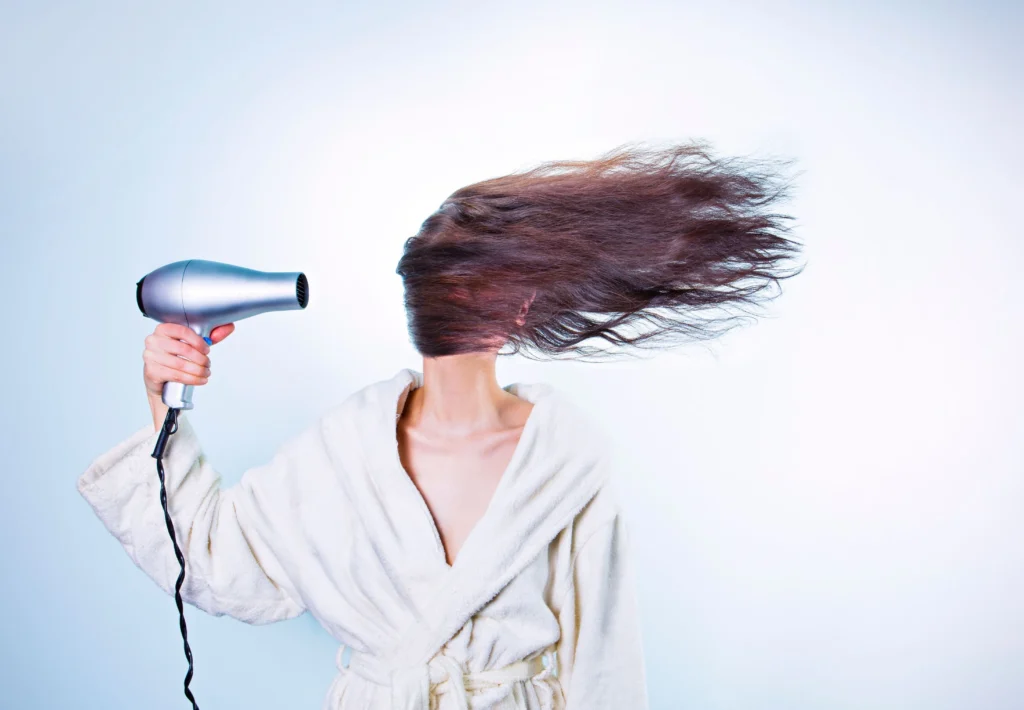
Reduce heat exposure by air-drying whenever possible. If you must blow-dry, use the coolest setting and keep the dryer moving to prevent concentrated heat on one section. When using styling tools, opt for the lowest effective temperature—fine hair needs 250-300°F, while thick or coarse hair can handle 350-400°F. Remember, higher heat doesn’t always mean better results.
Explore heatless styling alternatives like overnight braids, flexi rods, or silk rollers. These methods create beautiful waves and curls without damage. Check out our articles on loose waves for prom and braided prom hairstyles for inspiration on heatless styling techniques.
Step 5: Establish a Nighttime Hair Care Protocol
What you do with your hair at night significantly affects its morning condition. Friction from cotton pillowcases causes breakage, frizz, and moisture loss. Establishing a protective nighttime routine preserves your styling efforts and promotes healthier hair over time.
Invest in a silk or satin pillowcase, which creates less friction than cotton and helps maintain moisture levels. If changing your pillowcase isn’t an option, wrap your hair in a silk or satin scarf before bed. This simple switch reduces breakage and keeps hairstyles intact longer.
For longer hair, loosely braid or twist it before sleeping to prevent tangling and knotting. Use a soft scrunchie or silk hair tie to avoid creasing and breakage. Apply a small amount of overnight hair oil or serum to the ends to combat dryness while you sleep. In the morning, your hair will feel softer and be easier to style.
Step 6: Schedule Regular Trims
Regular trims are essential for maintaining healthy hair, even if you’re trying to grow it longer. Split ends travel up the hair shaft, causing further damage and breakage that undermines your growth efforts. Getting trimmed every 6-8 weeks prevents this damage and keeps your hair looking fresh and healthy.
Be honest with your stylist about your hair goals. If you’re growing out your hair, request a “dusting” or micro-trim that removes only the damaged ends while preserving length. For those maintaining a specific style, regular trims keep the shape intact and prevent uneven growth patterns.
Between salon visits, inspect your hair regularly for split ends. Use sharp hair-cutting scissors to snip away any visible damage, being careful not to cut too much. While this isn’t a substitute for professional trims, it helps manage damage and maintains the health of your daily hair care routine.
Step 7: Nourish Hair from Within
External hair care products work wonders, but true hair health starts from within. Your diet, hydration levels, and overall wellness directly impact hair growth, strength, and shine. Supporting your hair care routine with proper nutrition amplifies results and promotes long-term health.
Prioritize protein-rich foods since hair is primarily made of keratin, a protein. Include eggs, fish, lean meats, beans, and nuts in your diet. Omega-3 fatty acids from salmon, walnuts, and flaxseeds nourish hair follicles and add natural shine. Vitamins A, C, D, and E, along with biotin, zinc, and iron, are crucial for hair growth and preventing breakage.
Stay hydrated by drinking at least 8 glasses of water daily. Dehydration makes hair brittle and dull, undermining your best hair routine steps. Manage stress through exercise, meditation, or yoga, as chronic stress can trigger hair loss and slow growth. Quality sleep allows your body to repair and regenerate, including hair follicles.
Customizing Your Routine for Specific Concerns
While the seven steps above form the foundation of any effective hair care routine, you may need to adjust based on specific concerns. Color-treated hair requires sulfate-free products and UV protection to prevent fading. Damaged hair benefits from protein treatments and extra moisture. Fine hair needs volumizing products and lightweight formulas.
Curly and coily hair types require the LOC (Liquid-Oil-Cream) or LCO (Liquid-Cream-Oil) method to maximize moisture retention. Start with a water-based leave-in conditioner, follow with oil to seal, and finish with cream for definition. Experiment to find which order works best for your unique curl pattern.
If you’re dealing with scalp issues like dandruff or excess oil, incorporate clarifying shampoos once a week and avoid heavy products near the roots. For hair loss concerns, consult a dermatologist and consider incorporating scalp massages to stimulate blood flow and promote growth.
Common Hair Care Routine Mistakes to Avoid
Even with the best intentions, certain habits can sabotage your hair care routine. Brushing wet hair causes breakage since hair is most fragile when saturated with water. Use a wide-tooth comb or detangling brush designed for wet hair, starting from the ends and working upward.
Overusing dry shampoo creates buildup that clogs follicles and irritates the scalp. While convenient for extending time between washes, limit dry shampoo to 2-3 times weekly and cleanse thoroughly on wash days. Similarly, using too many products simultaneously can overwhelm hair, causing buildup and preventing moisture absorption.
Towel-drying roughly with a regular bath towel creates friction and frizz. Instead, use a microfiber towel or an old cotton t-shirt to gently squeeze out excess water. Avoid rubbing or twisting hair, which damages the cuticle and leads to breakage.
Building Consistency in Your Hair Care Journey
The key to seeing results from your hair care routine is consistency. Hair doesn’t transform overnight—it takes 4-6 weeks to notice improvements and 3-6 months for significant changes. Stick with your routine even when you don’t see immediate results, as hair health is a long-term investment.
Create a schedule that works for your lifestyle. If weekly deep conditioning feels overwhelming, start with bi-weekly treatments and gradually increase frequency. Set reminders on your phone for wash days, treatment days, and trim appointments to stay on track.
Track your progress by taking monthly photos in consistent lighting. This helps you see subtle improvements you might miss day-to-day. Adjust your routine based on seasonal changes, as hair needs differ in humid summers versus dry winters. Listen to your hair—it will tell you what it needs through its texture, appearance, and behavior.
Product Selection Tips for Your Hair Care Routine
Navigating the overwhelming array of hair care products can be challenging. Focus on ingredient lists rather than marketing claims. Avoid products with sulfates, parabens, and synthetic fragrances if you have sensitive skin or color-treated hair. Natural ingredients like aloe vera, coconut oil, and shea butter provide proven benefits.
You don’t need expensive products for a successful, healthy hair routine. Many drugstore brands offer high-quality formulas at affordable prices. Read reviews, check ingredient concentrations, and patch-test new products before committing to full-size versions.
Less is often more when it comes to hair products. A simple routine with a good shampoo, conditioner, occasional mask, and heat protectant yields better results than layering numerous serums, oils, and styling products. Allow your hair to breathe and avoid product buildup that weighs it down.
Seasonal Adjustments to Your Hair Care Routine
Your hair care routine shouldn’t remain static year-round. Seasonal changes affect humidity, temperature, and environmental factors that impact hair health. Adjusting your routine accordingly ensures optimal results throughout the year.
In summer, protect hair from UV damage and chlorine by wearing hats and using leave-in conditioners with UV filters. Rinse hair immediately after swimming to remove salt or chlorine. Increase deep conditioning frequency to combat dryness from sun exposure and air conditioning.
Winter brings dry air that dehydrates hair, requiring extra moisture. Use richer conditioners and masks, reduce washing frequency to preserve natural oils, and protect hair from harsh winds with protective styles. Consider using a humidifier at home to add moisture to indoor air.
Spring and fall are transition periods where you may need to balance your routine. Pay attention to how your hair responds to changing conditions and adjust product weights and washing frequency accordingly. These seasons are ideal for deep conditioning treatments and trims to reset your hair’s health.