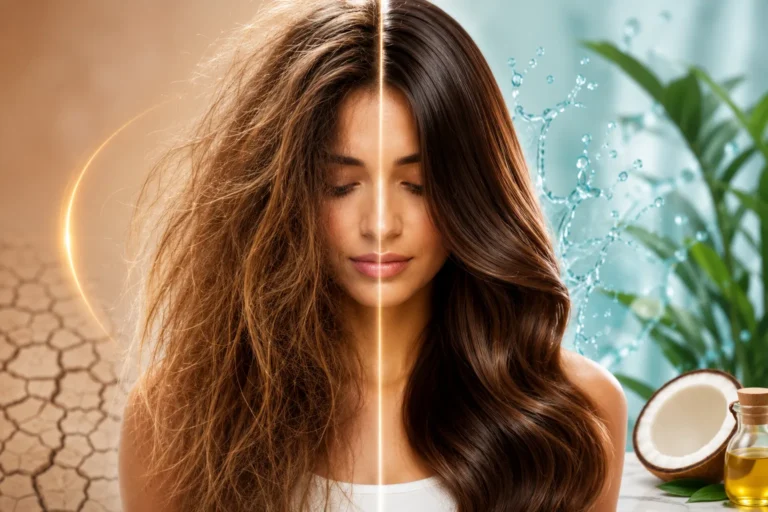

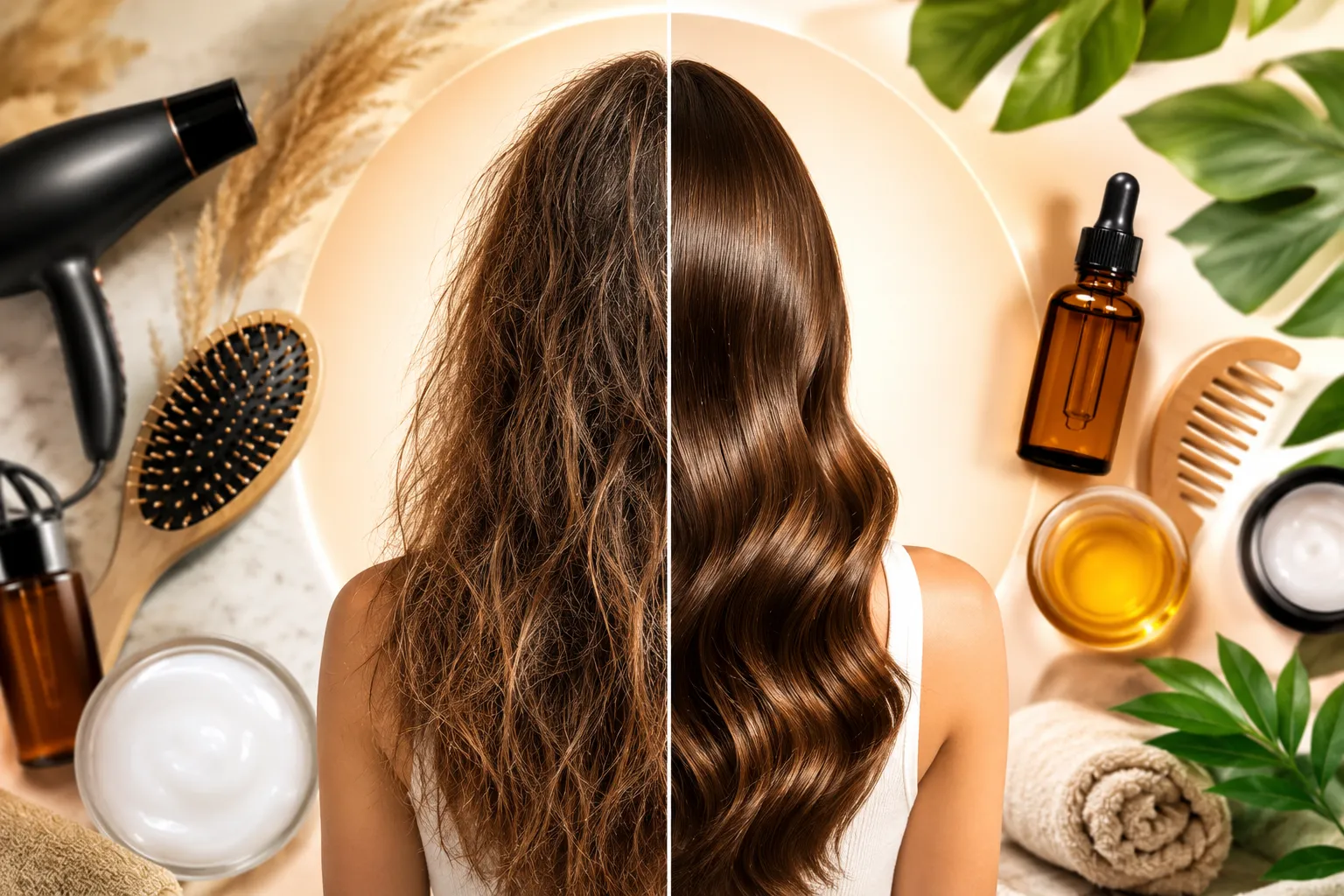
If your hair’s feeling dry and brittle, you’re definitely not alone — and the good news is, it’s usually fixable. Dryness happens when your hair loses moisture and natural oils faster than it can replenish them. This can be triggered by things like frequent heat styling, washing too often, harsh shampoos, chemical treatments (think coloring or perming), sun and chlorine exposure, or even just not getting enough of the right nutrients in your diet.
The good news? A few simple changes can make a big difference. Cutting back on heat tools, switching to hydrating shampoos and conditioners, deep conditioning once a week or so, shielding your hair from sun and pool chemicals, and sticking to a consistent, gentle hair care routine can all help bring your hair back to life.
Before starting, we’ve got some other related articles about Hair Care, take a look:
- How to Build Perfect Hair Care Routine
- 15 Hair Care Tips for Healthy Hair
- Common Hair Care Mistakes to Avoid
Dry hair occurs when your strands don’t retain enough moisture or your scalp doesn’t produce sufficient natural oils. This can result from damaging hair care habits like frequent heat styling, over-washing with harsh shampoos, chemical treatments, or environmental stressors like sun exposure and low humidity. The good news is that with the right hair moisture strategies and dry hair treatment approaches, you can restore your hair’s health and shine.
Save This on Pinterest!
No time to read this why is my hair dry? Click on the save button and pin it for later!
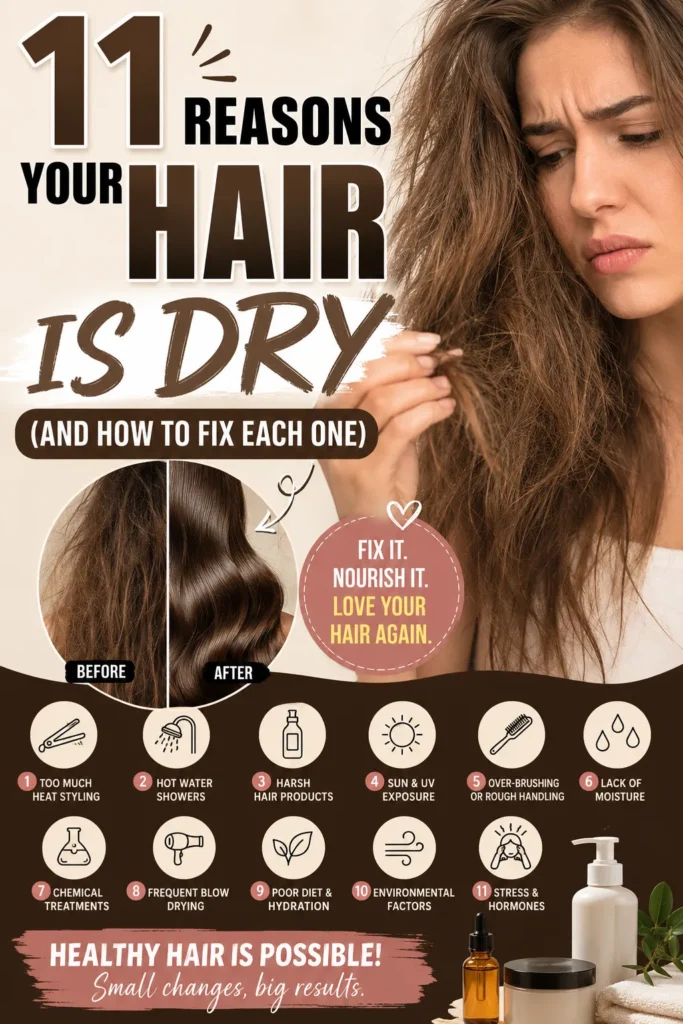
Understanding Hair Moisture and Dry Hair Causes
What Makes Hair Dry and Brittle
Healthy hair maintains a delicate balance of moisture and natural oils called sebum. When this balance is disrupted, your hair becomes dry, brittle, and prone to breakage. Dry hair happens when your hair doesn’t get or retain enough moisture, which may result from hair care habits or even underlying health conditions. Understanding why is my hair dry requires looking at both external factors like styling routines and internal factors like nutrition and hormones.
Women between 28-55 often experience increased dry hair causes due to hormonal changes, stress from busy lifestyles, and years of chemical treatments or heat styling. As we age, our scalp produces less sebum, making hair naturally drier. This is why a targeted dry hair treatment becomes essential for maintaining healthy, lustrous locks.
The Role of Natural Oils
Your scalp naturally produces sebum, an oily substance that moisturizes and protects your hair. However, various factors can strip these natural oils or prevent them from traveling down the hair shaft effectively. When your scalp doesn’t make enough oil to moisturize your hair, or your hair lets moisture escape too quickly, you experience dryness. This is particularly common in women with longer hair, as natural oils have difficulty reaching the ends.
1. Excessive Heat Styling
How Heat Damages Your Hair
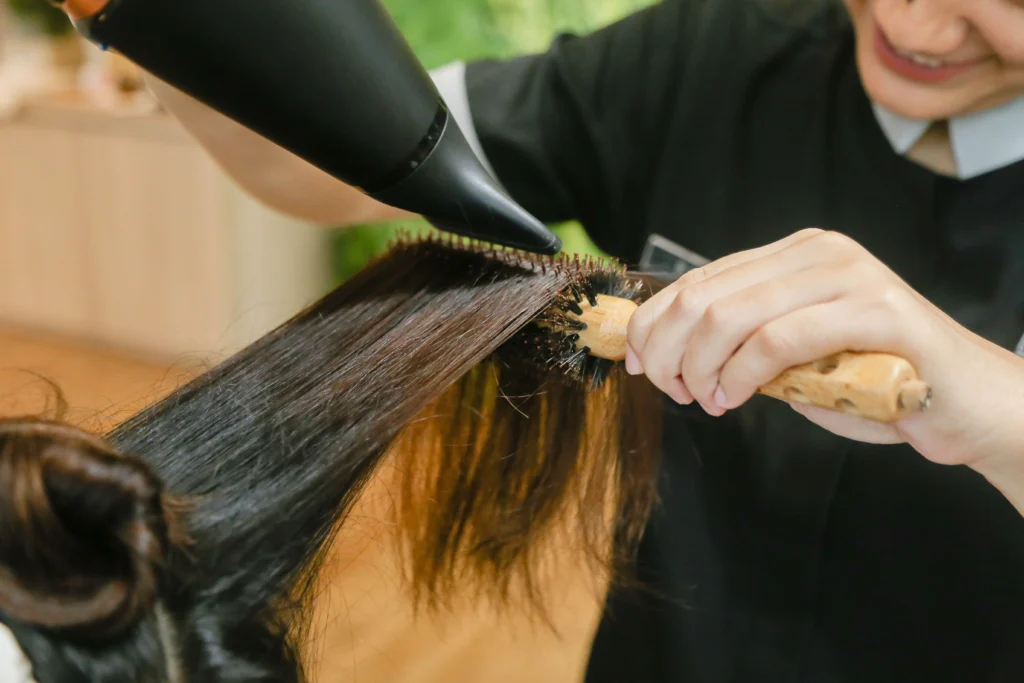
One of the major dry hair causes is too much heat from styling tools. Hot styling tools like blow dryers, flat irons, and curling wands can strip your hair of its natural moisture, leaving it parched and brittle. When you regularly expose your hair to high temperatures, the heat breaks down the protein structure and evaporates the water content within each strand. This leads to a rough, frizzy texture and split ends.
Women who style their hair daily with heat tools often wonder why is my hair dry despite using expensive products. The truth is that no amount of conditioner can fully counteract daily heat damage. Heat styling is one of the most common culprits behind sudden dryness.
How to Fix Heat Damage
To restore hair moisture after heat damage, start by reducing your heat styling frequency. When you do use heat tools, always apply a heat protectant spray or serum first. Lower the temperature settings on your tools—most hair doesn’t need temperatures above 350°F. Consider air-drying your hair a few times a week and embracing natural textures.
Invest in deep conditioning treatments and hair masks specifically designed for heat-damaged hair. These products contain ingredients like keratin, argan oil, and shea butter that help rebuild the hair’s structure. For more guidance on protecting your hair, check out our article on essential hair care products that can shield your strands.
2. Over-Washing Your Hair
Why Washing Frequency Matters
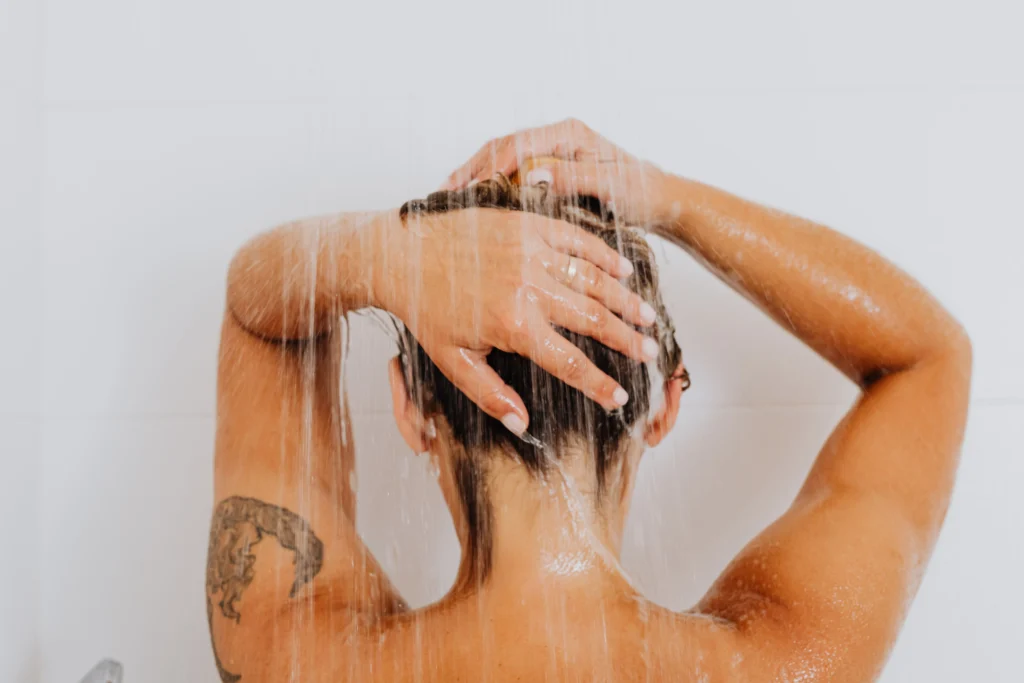
Washing your hair too often is a leading cause of dry hair. When you shampoo daily or every other day, you’re constantly stripping away your scalp’s natural oils before they have time to nourish your hair shaft. This is especially problematic if you’re using shampoos with sulfates or other harsh cleansing agents.
Many women believe that frequent washing equals cleaner, healthier hair, but this isn’t necessarily true. Over-washing can actually trigger your scalp to produce more oil in compensation, creating a vicious cycle. The key is finding the right balance for your hair type and lifestyle.
watch: 8 Hair Washing Habits That Will Ruin Your Hair
Watch this quick video to learn the most common hair-washing mistakes and how to avoid them.
Finding Your Perfect Washing Schedule
To combat dry hair causes related to over-washing, try extending the time between washes. Start by washing every other day instead of daily, then gradually work up to 2-3 times per week. On non-wash days, use dry shampoo to absorb excess oil at the roots, or simply rinse with water and apply conditioner to the ends.
When you do wash, use lukewarm or cool water instead of hot water, as heat can further dry out your hair. Choose a sulfate-free, moisturizing shampoo designed for dry or damaged hair. Follow up with a rich conditioner, focusing on the mid-lengths and ends where hair is driest. Learn more about establishing the right routine in our guide on how to build a perfect hair care routine.
3. Harsh Hair Products and Ingredients
Problematic Ingredients to Avoid
Using harsh shampoos, conditioners, or styling products is a significant contributor to dry hair causes. Many commercial hair products contain sulfates, alcohols, parabens, and synthetic fragrances that can strip moisture and irritate your scalp. Sulfates like sodium lauryl sulfate (SLS) create rich lather but are extremely drying.
Women with dry hair often don’t realize that their favorite styling products might be making the problem worse. Alcohol-based hairsprays, gels, and mousses can dehydrate hair strands, especially when used frequently. Even some “volumizing” products contain ingredients that dry out hair to create lift.
Switching to Gentle, Hydrating Formulas
The solution to product-related dry hair treatment involves reading labels carefully and choosing gentler alternatives. Look for sulfate-free shampoos that use milder cleansing agents like coco-glucoside or sodium cocoyl isethionate. Avoid products with high concentrations of drying alcohols like ethanol, isopropyl alcohol, or propanol.
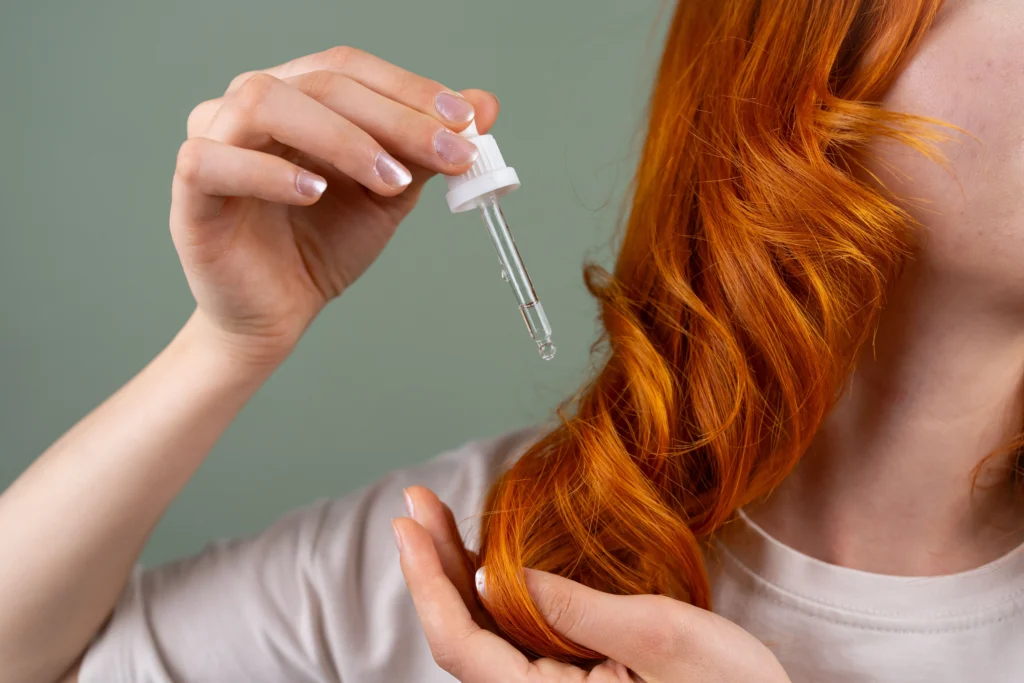
Instead, seek out products containing moisturizing ingredients like glycerin, hyaluronic acid, natural oils (argan, coconut, jojoba), and proteins. These ingredients help attract and retain moisture in your hair. If you’re unsure which products to choose, our comprehensive guide on the best hair care products can help you make informed decisions.
4. Chemical Treatments and Hair Coloring
How Chemicals Affect Hair Structure
Dyeing or chemically treating your hair regularly is one of the most common dry hair causes. Chemical processes like coloring, bleaching, perming, and relaxing break down your hair’s natural protein structure to achieve the desired result. This makes the hair cuticle more porous and less able to retain moisture.
Bleaching is particularly damaging because it removes your hair’s natural pigment, which also strips away moisture and weakens the hair shaft. Even semi-permanent colors and highlights can contribute to dryness over time. Women who maintain colored hair often struggle with why is my hair dry despite using quality products.
Protecting Chemically Treated Hair
If you love changing your hair color, you don’t have to give it up—but you do need to adjust your hair care routine. Use color-safe, sulfate-free shampoos and conditioners specifically formulated for treated hair. These products are gentler and help preserve both color and moisture.
Incorporate weekly deep conditioning masks into your routine to replenish lost moisture. Look for treatments containing proteins like keratin or hydrolyzed wheat protein to strengthen damaged strands. Consider extending the time between color treatments and exploring options like brunette hair color ideas that require less frequent touch-ups than lighter shades.
Before your next coloring session, build up your hair’s strength with protein treatments for several weeks. After coloring, wait at least 72 hours before washing to allow the cuticle to close and seal in moisture.
5. Environmental Factors and Weather
How Climate Affects Hair Moisture
Environmental conditions play a huge role in dry hair causes. Cold weather, low humidity, wind, and UV rays can all strip moisture from your hair. In winter, indoor heating systems create dry air that further dehydrates hair. Conversely, hot summer sun can bake moisture out of your strands.
Women living in areas with extreme weather conditions often notice seasonal changes in their hair’s texture and moisture levels. Low humidity environments cause hair to lose moisture to the air through a process called transepidermal water loss. This is why your hair might feel particularly dry during winter months or in arid climates.
Seasonal Hair Care Strategies
To combat weather-related dryness, adjust your hair care routine with the seasons. In winter, use richer, more emollient products and consider adding a leave-in conditioner or hair oil to seal in moisture. Wear hats or scarves to protect your hair from cold winds, but use a silk or satin lining to prevent friction damage.
During summer, protect your hair from UV damage by wearing hats or using hair products with UV filters. Rinse your hair after swimming to remove chlorine or salt water. Increase your use of deep conditioning treatments during extreme weather periods. For personalized advice based on your lifestyle, explore our 15 hair care tips for healthy hair.
6. Sun Exposure and UV Damage
UV Rays and Hair Health
Sun exposure is an often-overlooked dry hair cause. Just like your skin, your hair can suffer damage from ultraviolet (UV) rays. Prolonged sun exposure breaks down the protein structure of hair (keratin) and depletes moisture, leading to dry, brittle strands. UV rays also fade hair color and cause the cuticle to lift, making hair feel rough and look dull.
Women who spend a lot of time outdoors—whether for work, exercise, or leisure—may notice their hair becomes progressively drier during sunny months. The combination of UV exposure, heat, and often chlorine or salt water creates a perfect storm for hair damage.
Protecting Hair from Sun Damage

Preventing sun-related dry hair treatment starts with protection. Wear wide-brimmed hats when spending extended time outdoors. Use hair products containing UV filters or SPF, including leave-in conditioners, serums, and hairsprays. These create a protective barrier that shields hair from UV rays.
If you’ve been in the sun, rinse your hair with cool water and apply a hydrating mask to replenish lost moisture. Consider wearing your hair in protective styles like braids or buns that minimize sun exposure to the lengths. For those planning special outdoor events, check out our elegant prom hairstyles that also offer some sun protection.
7. Chlorine and Swimming

Pool Chemicals and Hair Dryness
Swimming in chlorinated pools is a common but often underestimated dry hair cause. Chlorine is designed to kill bacteria, but it also strips away your hair’s natural oils and can cause chemical reactions that damage the hair shaft. Salt water from the ocean has a similar dehydrating effect, drawing moisture out of your hair through osmosis.
Regular swimmers often struggle with chronically dry, brittle hair that feels straw-like. The combination of chlorine, sun exposure, and frequent washing to remove pool chemicals creates multiple layers of damage. This is why competitive swimmers and beach enthusiasts need specialized hair care routines.
Pre-Swim and Post-Swim Hair Care
To minimize chlorine damage, wet your hair with fresh water before entering the pool. This reduces the amount of chlorinated water your hair can absorb. Apply a leave-in conditioner or hair oil to create a protective barrier. Wear a swim cap for maximum protection, though some water will still get in.
Immediately after swimming, rinse your hair thoroughly with fresh water. Use a clarifying shampoo once a week to remove chlorine buildup, followed by an intensive deep conditioning treatment. Consider using a shampoo specifically formulated for swimmers that contains ingredients to neutralize chlorine. For ongoing care, establish a routine using tips from our guide to avoiding hair care mistakes.
8. Nutritional Deficiencies

Diet’s Impact on Hair Health
What you eat directly affects your hair’s moisture levels and overall health. Nutritional deficiencies in essential vitamins and minerals can lead to dry, brittle hair. Key nutrients for hair moisture include omega-3 fatty acids, vitamins A, C, D, and E, biotin, iron, and zinc. When your body lacks these nutrients, it prioritizes vital organs over hair, leading to dryness and weakness.
Women with busy lifestyles often rely on convenience foods that may lack these essential nutrients. Crash dieting, restrictive eating patterns, or inadequate protein intake can all contribute to why is my hair dry despite excellent external care.
Foods for Hydrated, Healthy Hair
To improve hair moisture from within, focus on a balanced diet rich in hair-healthy nutrients. Include fatty fish like salmon for omega-3s, nuts and seeds for vitamin E and zinc, leafy greens for iron and vitamins, and eggs for biotin and protein. Stay hydrated by drinking plenty of water throughout the day.
Consider adding supplements if your diet is lacking, but consult with a healthcare provider first. A multivitamin designed for hair, skin, and nails can help fill nutritional gaps. Remember that improvements from dietary changes take time—typically 3-6 months to see noticeable differences in hair quality.
Want healthier, stronger hair? This video by Dr. Dray explains the best foods that support hair growth and thickness, along with the nutrients your hair needs to grow its best.
9. Hormonal Changes and Aging
How Hormones Affect Hair Moisture
Hormonal fluctuations significantly impact hair moisture levels, particularly for women aged 28-55. As we age, hormonal changes lead to a reduction in sebum production, so hair is already drier as it exits the scalp. Menopause, pregnancy, thyroid disorders, and other hormonal imbalances can all contribute to dry hair.
During perimenopause and menopause, declining estrogen levels cause hair to become thinner, drier, and more fragile. This is a natural part of aging, but it can be managed with proper care and targeted dry hair treatment strategies.
Adapting Your Routine for Hormonal Changes
If hormonal changes are causing your dry hair, adjust your expectations and routine accordingly. You’ll likely need more intensive moisturizing products than you did in your twenties. Incorporate rich hair masks, leave-in conditioners, and nourishing hair oils into your weekly routine.
Consider consulting with a healthcare provider if you suspect a hormonal imbalance, as treating the underlying issue can improve hair health. For women experiencing gray hair during this transition, explore our gray and silver hair color ideas that work beautifully with mature hair textures.
10. Product Buildup
When Products Work Against You
Paradoxically, using too many hair products can cause dry hair. Product buildup from styling products, dry shampoo, and even some conditioners can coat the hair shaft, preventing moisture from penetrating. This buildup also weighs hair down and can clog hair follicles, affecting scalp health.
Women who use multiple styling products daily often experience this issue. The accumulation of silicones, polymers, and other ingredients creates a barrier that blocks hydration and makes hair feel dry despite constant product application.
Clarifying and Resetting Your Hair
To address product buildup, use a clarifying shampoo once every 1-2 weeks to remove residue. These shampoos contain stronger cleansing agents that strip away buildup. Follow immediately with a deep conditioning treatment, as clarifying can be drying.
Simplify your product routine by using only what you truly need. Choose lightweight, water-soluble products that won’t accumulate. Occasionally do a “hair reset” by washing with just a gentle shampoo and skipping styling products for a day or two. This allows your hair to breathe and absorb moisture more effectively.
11. Not Using Conditioner or Deep Treatments
The Importance of Conditioning
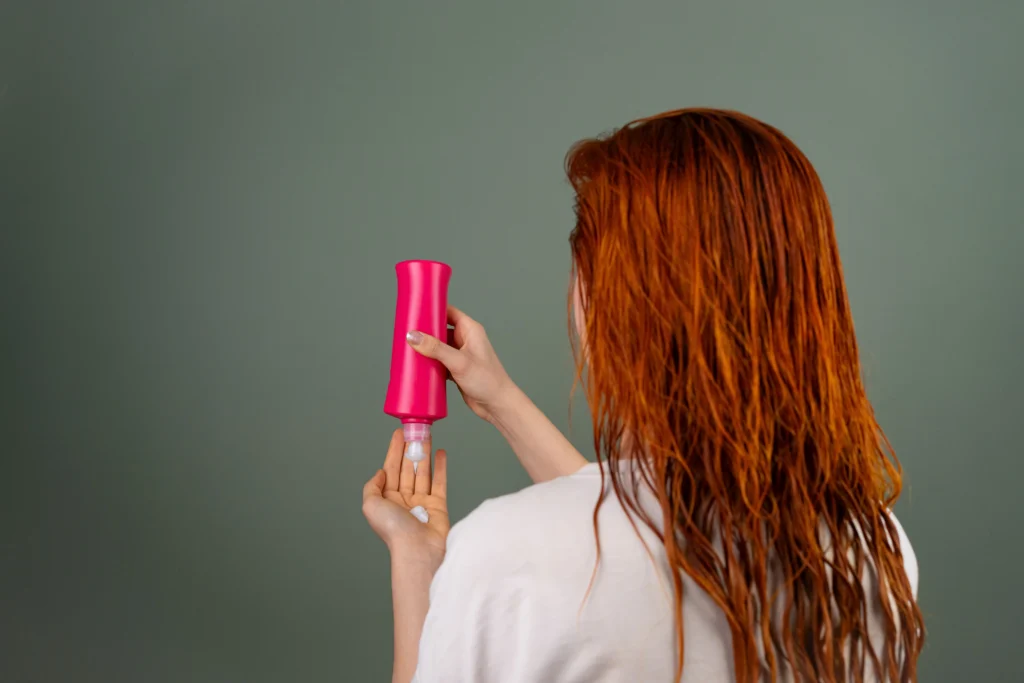
Skipping conditioner or deep conditioning treatments is a simple but common dry hair cause. Conditioner replenishes moisture after shampooing, smooths the cuticle, and helps detangle hair. Without it, hair remains vulnerable to moisture loss and damage throughout the day.
Many women make the mistake of only conditioning the ends or rinsing conditioner out too quickly. Others skip deep conditioning treatments entirely, missing out on intensive hydration that regular conditioner can’t provide.
Maximizing Conditioning Benefits
Always use conditioner after every shampoo, applying it from mid-length to ends. Leave it on for at least 2-3 minutes before rinsing with cool water to seal the cuticle. Once or twice weekly, replace your regular conditioner with a deep conditioning mask, leaving it on for 10-20 minutes.
For extra dry hair, try the “squish to condish” method: apply conditioner to soaking wet hair, then scrunch sections upward while adding more water. This helps hair absorb more moisture. Consider leaving a small amount of conditioner in your hair or using a leave-in conditioner for ongoing hydration throughout the day.
Creating Your Personalized Dry Hair Treatment Plan
Assessing Your Specific Needs
Now that you understand the various dry hair causes, it’s time to create a personalized plan. Start by identifying which factors apply to your situation. Are you heat styling daily? Washing too frequently? Living in a dry climate? Multiple factors often contribute to dry hair, so address each one systematically.
Keep a hair journal for two weeks, noting your washing frequency, products used, styling methods, and how your hair feels each day. This will help you identify patterns and pinpoint the main culprits behind your dry hair.
Building a Moisture-Rich Routine
Based on your assessment, implement changes gradually. Don’t overhaul your entire routine at once, as this can shock your hair and make it difficult to identify what’s working. Start with the most impactful changes, like reducing heat styling or switching to a gentler shampoo.
Incorporate weekly deep conditioning treatments, use a heat protectant religiously, and protect your hair from environmental stressors. Be patient—restoring hair moisture takes time, typically 4-8 weeks to see significant improvement. For comprehensive guidance on maintaining your new routine, visit our hair care category for ongoing tips and advice.
When to Seek Professional Help
Signs You Need Expert Advice
While most dry hair can be improved with proper care, sometimes the issue runs deeper. If you’ve implemented multiple dry hair treatment strategies for 2-3 months with no improvement, consider consulting a dermatologist or trichologist. Underlying health conditions like hypothyroidism, hormonal imbalances, or nutritional deficiencies may require medical intervention.
Other warning signs include sudden hair loss, scalp irritation, or extremely brittle hair that breaks easily. These symptoms may indicate conditions beyond simple dryness that need professional diagnosis and treatment.
Professional Treatments for Dry Hair
Salon treatments like keratin treatments, Olaplex, or professional deep conditioning can provide intensive repair for severely dry hair. A professional colorist can also advise on choosing hair colors that won’t further damage your strands. For special occasions while you’re repairing your hair, explore loose waves for prom and other protective styles that minimize heat damage.
We hope this guide helped you understand what’s causing your dry hair and gave you practical ways to restore moisture and improve your hair’s health.
If you found it helpful, please share this article with friends or family who may be dealing with dry, brittle, or frizzy hair. Your support helps us create more useful hair care guides.
Have a question or a tip that worked for you? Leave a comment below—we’d love to hear about your experience.